
Senior Dog Grooming: How to Keep Them Well-Groomed and Comfortable
As our dogs age, their needs change, especially when it comes to grooming. Senior dogs require extra attention to ensure they stay comfortable, healthy, and happy. In this guide, we'll explore how to keep your senior dog well-groomed, focusing on gentle techniques, the best grooming tools, and specific care for aging pets.
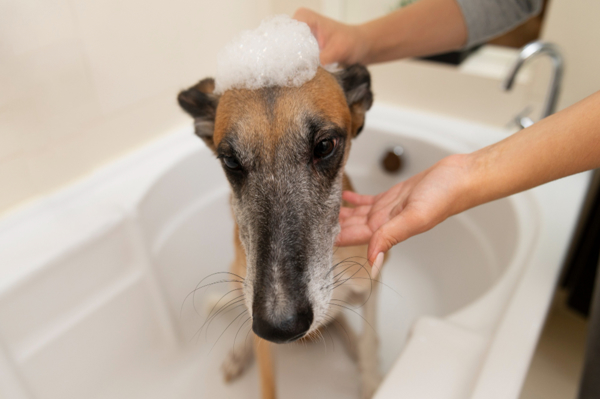
As our dogs age, their needs change, especially when it comes to grooming. Senior dogs require extra attention to ensure they stay comfortable, healthy, and happy. Grooming is a crucial part of their care routine, as it not only keeps them clean but also helps with their overall well-being. In this guide, we'll explore how to keep your senior dog well-groomed, focusing on gentle techniques, the best grooming tools, and specific care for aging pets.
Why Senior Dog Grooming Is Essential
Senior dogs undergo physical changes that can impact their comfort. According to the American Animal Hospital Association (AAHA), regular grooming, dietary adjustments, and health monitoring are essential components of maintaining an aging pet’s overall well-being. and overall health. As they grow older, they may experience joint pain, arthritis, and mobility issues, making grooming a more delicate task. Grooming for senior dogs is not just about appearance; it's about ensuring their health and well-being. Regular grooming helps to:
-
Reduce shedding: Senior dogs may have more loose fur, which can cause discomfort.
-
Prevent matting: Their coats can get tangled, leading to painful mats that can affect the skin underneath.
-
Check for health issues: Grooming sessions give you the chance to spot signs of skin irritation, infections, or bumps, which are more common in older dogs.
Understanding the specific needs of your senior dog during grooming sessions is crucial to keep them comfortable and healthy.
Gentle Grooming Tips for Senior Dogs: Be Patient and Calm
Older dogs can be more anxious, especially if they have mobility issues or experience discomfort due to arthritis. When grooming your senior dog, take your time and move slowly. Avoid rushing through the process, as this can cause stress for your pet.
Use the Right Grooming Tools
Choosing the right grooming tools is essential for senior dog grooming. Gentle handling, soft-bristle brushes, and shorter, more frequent grooming sessions help minimize discomfort while keeping older dogs’ coats healthy. Look for brushes and combs that are gentle on their skin but still effective in removing loose fur. Some tools to consider include:
-
Soft-bristle brushes: These brushes are ideal for senior dogs with sensitive skin.
-
Non-slip grooming mats: These mats help keep your dog steady while grooming, especially if they have trouble standing.
-
Low-noise clippers: Senior dogs may be more sensitive to noise, so investing in quiet clippers will keep them comfortable.
Ensure you have the right tools to keep your senior dog's coat healthy and clean.
Focus on Areas That Need Special Attention
Some areas of your senior dog's body may require more attention. Pay close attention to their nails, ears, and coat. Older dogs may have thicker nails that need frequent trimming. Additionally, ear cleaning is crucial for dogs that may suffer from infections as they age. Regularly check their ears for signs of redness or discharge.
Massage During Grooming
If your senior dog has arthritis or joint pain, incorporate gentle massages during grooming. This can help ease stiffness and improve circulation. It’s also a great way to bond with your dog while helping them feel relaxed.
Schedule Regular Grooming Appointments
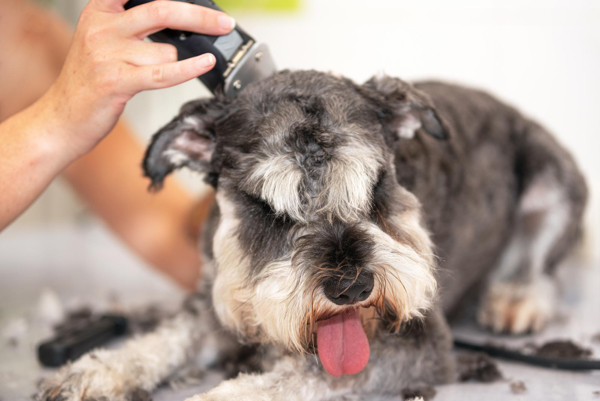
If you feel your senior dog needs professional help, consider booking a grooming session with a professional who has experience with elderly dogs. A groomer will know the best techniques for senior dog grooming, ensuring that your dog remains comfortable throughout the process.
The Importance of a Proper Senior Dog Diet
In addition to grooming, ensuring your senior dog follows a proper diet is critical for their overall health. Senior dogs often require food that is:
-
Lower in calories: Older dogs tend to be less active, and a lower-calorie diet can help prevent obesity.
-
Rich in joint-supporting nutrients: Look for ingredients like glucosamine and chondroitin to support their aging joints.
-
Easily digestible: As dogs age, their digestive system may slow down, so providing food that is easier to digest is crucial.
-
A senior dog's homemade diet should be rich in essential nutrients, balanced to promote overall health and mobility. Always consult your dog’s veterinarian for the proper nutrients.
A senior dog's homemade diet can be beneficial, as it allows you to control the ingredients and tailor the food to your dog’s specific needs. Always consult your veterinarian before switching up your dog’s diet.
How to Keep Your Senior Dog’s Coat Healthy
As dogs age, their coat can become more susceptible to dryness, dullness, and mats. Regular grooming sessions help address these issues, but you can also take steps to keep your dog’s coat healthy between grooming sessions.
Hydration is Key
Ensure your senior dog has access to clean, fresh water at all times. Proper hydration helps maintain the health of their skin and coat. Dehydration can cause dryness and irritation, which may lead to discomfort during grooming.
Use the Right Shampoo
Senior dogs may have more sensitive skin, so opt for a gentle, hypoallergenic dog shampoo. Avoid shampoos with harsh chemicals or artificial fragrances that can irritate.
Regular Brushing
Brushing your senior dog’s coat regularly helps remove loose fur, dirt, and debris. It also stimulates the skin, promoting healthy hair growth. Use a soft-bristle brush to avoid irritating sensitive areas.
Signs Your Senior Dog Might Need Professional Grooming
While at-home grooming is essential, certain signs indicate your senior dog might need professional grooming:
-
Frequent matting: If you notice mats that you can’t remove, a professional groomer will know how to handle them without causing pain.
-
Unusual odors: If your dog develops a strong, unpleasant odor that doesn’t go away with regular baths, it may be a sign of an infection or other health issues.
-
Difficulty grooming at home: If your senior dog has become too sensitive or anxious during grooming, a professional groomer can handle the process with care and expertise.
Conclusion: Keeping Your Senior Dog Comfortable
Keeping your senior dog comfortable and well-groomed is essential for their health and happiness. By following the tips for senior dog grooming and focusing on their health, you can ensure they enjoy their later years with ease and comfort. Remember to use the right grooming tools, maintain a balanced diet, and seek professional grooming services when needed. These steps will help your senior dog feel their best every day.


 Muhammad Saad

