
Common Dog Paw Problems and How to Prevent Them
Pet owners often overlook the well-being of their dogs' paws, but this shouldn’t be the case. Your dog's paw pads, among other things, need cushioning to relieve stress on their bones and joints, insulation in harsh weather, and protection against rugged terrain. Paws are susceptible to accidents and other health issues, so let's look at some of the most common dog paw problems and what you can do to avoid or treat them.
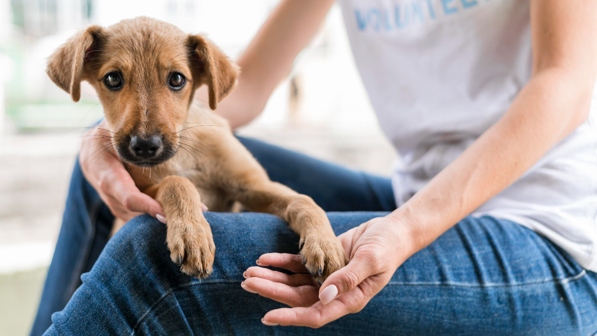
Pet owners often overlook the well-being of their dogs' paws, but this shouldn’t be the case. Your dog's paw pads, among other things, need cushioning to relieve stress on their bones and joints, insulation in harsh weather, and protection against rugged terrain. Paws are susceptible to accidents and other health issues, so let's look at some of the most common dog paw problems and what you can do to avoid or treat them.
Paw Problems in Dogs: Signs & Symptoms
If you see any changes in your dog's paws, it may be an indication of a paw-related health problem or an injury to their paw or leg. The following are the most common signs of paw problems to be noted in dogs:
- Paw licking
- Limping or lameness in paws
- Red or swollen paws
- Hair loss around Paws
- Lesions
- Ulcers with scabbing and blisters
- Discharge or bleeding
- Unpleasant odor
Paw injuries are commonly characterized by cuts, tears, and abrasions. Your dog's pads can also appear dry or cracked, with loose skin flaps. Keep an eye on your dog's nails, too, as broken or ripped nails can cause a lot of pain. Injured dogs sometimes lick or chew on the injured paw. You might find your dog limping, or they might stop or refuse to walk with any weight on either of their feet. In addition, the pet can refuse to play, spend more time resting and licking its paws, and even lose its appetite.
Problems with Dog Paws and Prevention
Allergic Reactions
Dogs, like humans, may develop allergies, including food allergies and seasonal allergies. Itching is the most common symptom of an allergic reaction in dogs, particularly on their paws. Other signs to look out for allergies include ear and skin infections, as well as problems with the anal glands. To alleviate the scratching, your dog will most likely lick or bite their paws, which may cause more inflammation and expose their paws to secondary bacterial and fungal infections.
How to Prevent It: While it is almost impossible to prevent allergies in dogs, allergic reactions can be prevented if you know what your dog is allergic to. If your dog is allergic to certain foods, make sure they do not consume something that could cause an allergic reaction.
Bacterial and Fungal Infections
Since many bacteria and fungi live on dogs' paw pads, bacterial and fungal infections are a common cause of paw problems. If your dog licks and chews their paws and you find redness, discharge, or brown discoloration of the nails, they are most likely infected. Yeast and ringworm are the most common fungal infections in dogs.
How to Prevent It: Bacteria and fungi naturally live in, on, and around your dog's paws, making it difficult to avoid minor infections. You can, however, reduce the risks by keeping your dog's paws clean at all times. Any wounds on your dog's paws should be handled right away because untreated wounds are a breeding ground for bacteria and fungi. Bacterial infections are usually treated with antibiotics, as well as topical creams, sprays, and shampoos. However, your veterinarian is the safest person to talk to about the best care and preventative measures for your dog's paw issues.
Parasites
Ticks and mites are common parasites in dog paws, particularly if your dog spends a lot of time outside. Pain and inflammation are the most common symptoms of parasite-related dog paw problems, though swelling and hair loss may also occur. Ticks are particularly troublesome since they often embed between the dog's toes and can cause a number of tick-borne Diseases.
How to Prevent It: There are several excellent tick prevention items available, including various forms of tick collars, topical creams, sprays, powders, and tablets. In addition, try to avoid tick-infested areas as much as possible, and check your dog for ticks after a stroll or other outdoor activity on a regular basis. Also, there are various mite repellents available, but it is also important to keep your dog away from mite-infested animals. Keep your home and dog's quarters clean and sanitized, and groom your pet on a regular basis.
Nail Issues
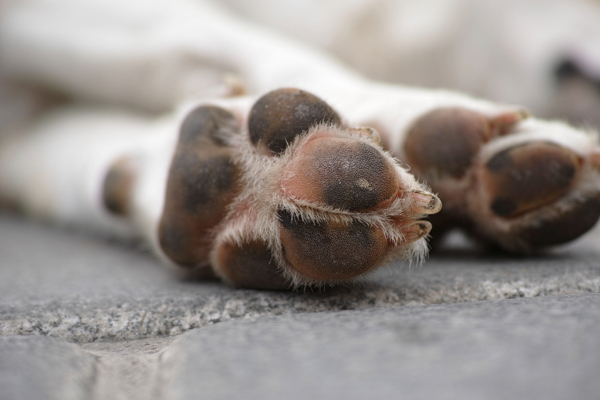
Toenails are the most delicate part of your dog's paw, and even something as basic as having long toenails can cause problems and discomfort when your dog walks. Your dog is more likely to have a broken or split nail if they have long nails. This normally occurs when a dog's toenail sticks on something, resulting in limping or even bleeding. On closer examination, a damaged nail is easy to spot.
How to Prevent It: It is easy to prevent dog paw problems caused by nails. What you need to do is trim your dog's nails on a regular basis. Allow them to grow their nails out as much as possible and trim them as required. Of course, you must do it correctly or you may risk injuring your dog, especially if you accidentally cut it fast and it begins to bleed. Your dog's nails can be kept safe and solid by giving them a nutritionally balanced diet that includes plenty of zinc and omega-3 fatty acids.

Paw Injuries
Since dogs run around and play on various terrains, cuts, bruises, tears, lacerations, and other injuries to the paws are common. Your dog may cut himself on a number of different objects while being outdoors, including sticks, rocks, broken glass, and other debris. Although the majority of these injuries are minor, you should treat them as soon as possible to avoid infections, which may make the condition much more severe if left untreated.
How to Prevent It: When taking your dog for a walk or playing, keep an eye out for any sharp objects that might injure your pet. If you take your dog running or walking on rough ground or pavement, dog shoes or other paw protection can be extremely beneficial, particularly in severe weather conditions such as extremely hot days or extremely cold days in winter.
Cracked and Dry Paw Pads
Dogs have solid, rough paw pads that help them gain traction while walking or running on smooth surfaces. However, your dog's pads can dry out or crack due to a variety of factors such as cold weather, hot pavement, dry air, rough surfaces, chemicals, and even excessive licking. Allergies, nutritional disorders, endocrine and autoimmune issues are just a few of the factors that can cause these issues. Dry and broken pads on a dog's paws should be handled as soon as possible because they can lead to infections and more severe complications.
How to Prevent It: Maintain your pet's paws by trimming their toenails and grooming their paws. Cut excess hair on their paws if possible. You can help prevent these issues by applying soothing balms to your dog's paws before going outside or getting them dog booties to keep them safe outside during extremely cold or extremely hot temperatures. After each walk, wash your dog's paws with lukewarm water to remove any chemicals from their pads to avoid further harm.
Burns
When summer temperatures get really hot, your dog can get burns on their paw pads if they walk on hot surfaces like sand and asphalt, but they can also get burns due to frostbite in the winter. This problem can also be caused by certain chemicals and deicing salts (which are not pet-friendly). Blisters on their pads and paws, loose skin flaps, and red patches on their skin are some of the signs of dog paw problems you may see if your dog is burned or frostbitten. In some cases, swollen paws may also be noticed.
How to Prevent It: Keep your dog off the hot pavement, restrict their exposure to extreme cold, and always prefer to put protective dog boots on their paws if you really have to go outside in extreme weather. Place your hand on the pavement to see if it's too hot for your dog to walk barefoot. Do remember, it's too hot if you can't hold your hand down for longer than 10 seconds. Your cherished canine deserves preventive treatment and the occasional caring touch to keep their paws and foot pads healthy—and maybe even some fetching booties of their own when the going gets rough. Give your dog a huge high five and keep all four of their paws ready for work or play!


 Muhammad Saad

