
5 Ways to Strengthen the Bond with Your Dog Through Training and Play
Whether you’ve just brought home a new puppy or are trying to connect more deeply with your longtime furry friend, the good news is this: building a better bond is absolutely possible - and it can be a lot of fun. Research shows that dogs who feel secure and connected with their owners exhibit fewer behavioral problems and are easier to train. Here are five effective and rewarding ways to build a stronger bond with your dog through training, play, and trust.
Dogs aren’t just pets - they’re companions, protectors, and family. But just like with any meaningful relationship, a strong bond doesn't happen automatically. It takes trust, consistency, and shared experiences to create a connection where your dog truly sees you as their person.
Whether you’ve just brought home a new puppy or are trying to connect more deeply with your longtime furry friend, the good news is this: building a better bond is absolutely possible - and it can be a lot of fun. Research shows that dogs who feel secure and connected with their owners exhibit fewer behavioral problems and are easier to train. Here are five effective and rewarding ways to build a stronger bond with your dog through training, play, and trust.
1. Hand-Feeding to Build Trust and Focus
Hand-feeding may sound basic, but it’s one of the most effective bonding tools. In fact, it’s recommended by experts for building better focus and impulse control. When you feed your dog directly from your hand, you become a source of calm, safety, and value.
Benefits of hand-feeding:
- Encourages gentle manners and self-control
- Builds trust, especially in anxious or rescue dogs
- Increases your dog’s willingness to pay attention
Make it even more powerful by pairing it with short training sessions. Practice commands like “sit,” “wait,” or “gentle” before offering each bite. And try adding in eye contact games by asking your dog to look at you before delivering the treat. Tip: Hand-feed one meal per day for two weeks. You’ll notice your dog starts checking in with you more, even in distracting settings like parks or around other dogs.
2. Playtime with Purpose
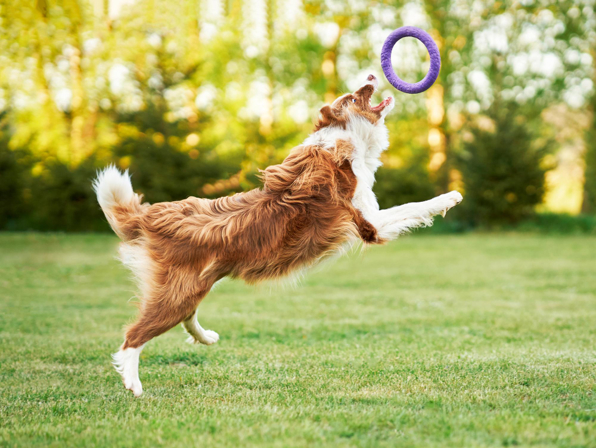
Play isn’t just fun for dogs - it’s how they process emotions, build confidence, and interact socially. When you become their favorite play partner, you’re reinforcing that you are the source of joy and security.
Try These Play-Based Bonding Activities
Play isn't just about burning energy - it's how dogs learn to trust, focus, and interact. Use these interactive games to strengthen your relationship in ways that feel like fun for both of you:
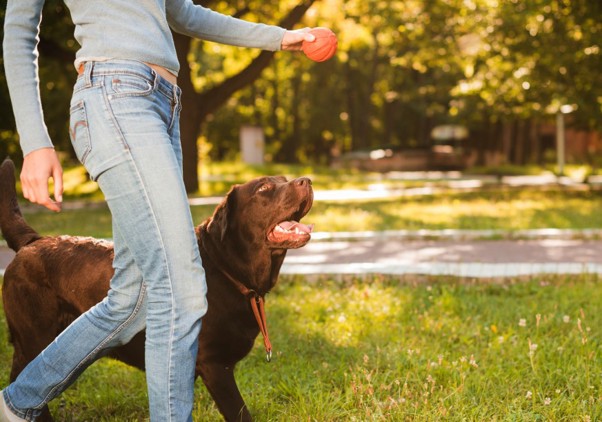
- Fetch – Perfect for retrievers or high-energy dogs who love to chase. Use soft toys or balls in a secure space. Add structure by asking for a “sit” before the throw and a “drop it” on return to build listening skills.
- Tug-of-war – This game teaches impulse control and strengthens engagement. Use a rope or tug toy and introduce a clear “take it” and “drop” command. Let your dog win sometimes to keep it fun and confidence-building.
- Puzzle toys or food-dispensing games – Great for stimulating your dog’s brain while keeping them calm and focused. Start with beginner puzzles and gradually increase difficulty. Sit with your dog as they work it out, offering encouragement and praise.
- Hide and seek – A fun indoor game to boost recall and make you part of the excitement. Start by having your dog sit and stay, then hide somewhere easy and call their name. When they find you, reward them with treats or enthusiastic praise.
Pro tip: Try rotating games throughout the week to prevent boredom and learn what your dog enjoys most. Engaging them in the activities they love builds trust and teaches them that time with you is always rewarding. Each dog has different play preferences, so observe what lights them up. Whether it’s chasing a toy or solving a treat puzzle, engaging in their favorite activities strengthens emotional connection and reduces stress. And remember: even just 10 minutes of play per day can have a big impact on your bond.
3. Structured Walks That Strengthen Your Relationship
Walks are more than just potty breaks or physical exercise - they’re bonding rituals. A good walk is about communication and teamwork, not just covering ground.
What a structured walk looks like:
- Loose leash walking
- Occasional check-ins where your dog glances at you
- Sniff breaks with your permission
- Calm, focused energy
Use simple cues like “heel,” “let’s go,” or “watch me” to stay connected. The walk becomes an opportunity to lead with calm, confident energy. If your dog tends to wander or you're exploring new areas, consider adding a tracking tool like an AirTag Dog Collar. It holds an Apple AirTag in a secure, built-in pocket - no charging or monthly fees. It’s a simple way to add peace of mind and extra safety.
4. Build Eye Contact and Engagement
Dogs don’t naturally seek eye contact - they learn it through trust and positive experiences. Teaching your dog to look at you on cue is one of the fastest ways to increase engagement and communication.
Why eye contact matters:
- Builds emotional trust
- Boosts responsiveness to commands
- Helps redirect in overstimulating situations
How to teach it:
- Hold a treat near your eyes
- Wait until your dog glances at your face
- Mark the moment with “yes!” or a clicker
- Reward immediately
Practice this indoors, during walks, or when your dog is calm. With repetition, your dog will begin to offer eye contact naturally, which makes training and redirection much easier in the long run. Pro tip: Pair this exercise with hand-feeding for even faster progress.
5. Create a Routine Through Training and Calm Care
Dogs thrive on structure and predictability. When your dog knows what to expect from you, they feel safe, and that security deepens your bond.
A bonding-focused daily routine might include:
- Morning potty break and short walk
- Mealtimes are at consistent times
- A 5 to 10-minute training session
- Evening walk or playtime
- Calm grooming, brushing, or massage
You don’t have to make it rigid. The goal is consistency. When your dog knows when they’ll eat, go out, or engage with you, they feel more connected to their caregiver. Routine grooming is also an underused bonding opportunity. Gently brushing your dog or checking their ears, paws, and body builds touch tolerance and prepares them for future vet visits.
Bonus: Respect Their Need for Space
While bonding is about connection, knowing when to give your dog space is just as important. Dogs need time to decompress - especially if they live in busy households, are older, or are still adjusting to a new environment. Set up a quiet, safe space for your dog to nap or retreat to. Avoid forcing interaction when your dog is resting or overwhelmed. Respect builds trust, and when your dog feels safe in your presence and in their alone time, your bond will naturally deepen.
Final Thoughts: The Bond Is Built, Not Born
A strong connection with your dog isn’t automatic - it’s something you build together over time. With patience, consistency, and a little creativity, you can create a relationship rooted in trust, joy, and mutual understanding. Start small. Pick one habit from this list and practice it today - whether that’s hand-feeding, eye contact training, or adding a structured walk to your daily routine. Because your dog already wants to be close to you, these five tools just help you meet them halfway.


 Muhammad Saad

