
Your Dog's Vet Appointment: What to Expect During a Full Checkup
Routine veterinary appointments are essential for maintaining your dog's health and longevity. Dogs, just like humans, need regular medical checkups to identify underlying health issues, renew vaccinations, and get professional care from veterinarians. From nose-to-tail, dog grooming checks to diagnostic tests, this post covers it all! If it's your first visit to the vet with your pet or you just want a quick reminder, this post will provide you with a complete breakdown.
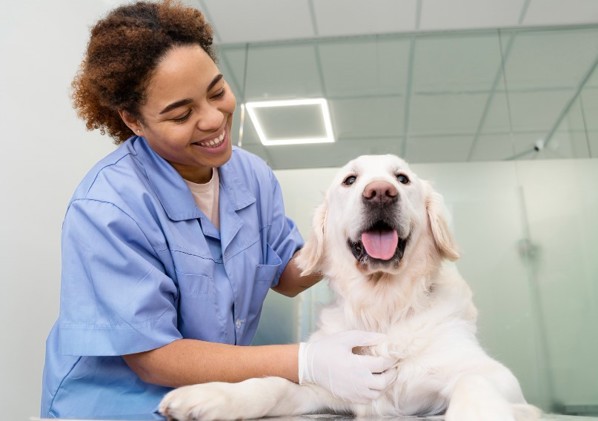
Routine veterinary appointments are essential for maintaining your dog's health and longevity. Dogs, just like humans, need regular medical checkups to identify underlying health issues, renew vaccinations, and get professional care from veterinarians. The American Veterinary Medical Association (AVMA) states that preventive veterinary care significantly enhances pet health and longevity (AVMA, 2023). Would you like to know what happens during a comprehensive veterinary checkup? This guide will explain the process.
From nose-to-tail, dog grooming checks to diagnostic tests, this post covers it all! If it's your first visit to the vet with your pet or you just want a quick reminder, this post will provide you with a complete breakdown.
Why Routine Vet Appointments Are Essential
Regular or semi-annual vet visits assist in keeping an eye on your dog's general health, with early detection of possible problems. Research shows that preventive care visits enhance health results and reduce long-term medical expenses for pet owners.
Main Advantages of Routine Vet Checkups
- Early Detection of Diseases: Diabetes, kidney disease, and arthritis are diseases that can be detected early before the symptoms grow.
- Weight and Nutrition Management: Obesity is a rising issue in pets, with more than 56% of dogs being overweight.
- Parasite Prevention: Fleas, ticks, and heartworms are easily prevented with regular care and checkups.
- Dental Health Maintenance: Over 80% of dogs over three years old suffer from dental disease (American Veterinary Dental College, 2023).
- Vaccination Updates: Keeping up with rabies, distemper, and other essential vaccines prevents life-threatening diseases.
What to Expect During a Full Vet Appointment
A complete dog examination or an annual dog checkup checklist covers various aspects of your pet’s health. Here’s what typically happens at a vet checkup:
1. Medical History Review
Your vet will ask questions about:
- Diet & appetite (Any recent changes in eating habits?)
- Exercise habits (Is your dog active or showing signs of lethargy?)
- Behavioral changes (Anxiety, aggression, or unusual habits)
- Previous health concerns (Any surgeries, illnesses, or ongoing medications?)
- Bowel & urinary habits (Diarrhea, constipation, or excessive thirst?)
2. Comprehensive Physical Examination
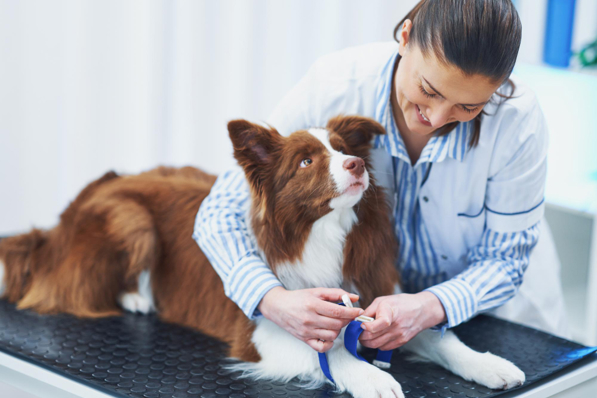
A veterinarian examining a dog conducts a nose-to-tail exam, which involves:
- Eyes: Screening for clarity, cloudiness, or discharge
- Ears: Checking for wax buildup, infections, or mites
- Teeth & Gums: Plaque buildup, gingivitis, or tooth decay evaluation
3. Bloodwork & Biochemical Testing
Blood tests help assess organ function, infection status, and overall wellness. Common tests include:
- Complete Blood Count (CBC): Screens for anemia, infection, and the immune system.
- Serum Biochemistry: Tests kidney, liver, and pancreas function.
- Thyroid Testing: Detects thyroid imbalances (common in older dogs).
Routine blood testing has led to 30% earlier detection of metabolic disorders (Veterinary Clinics of North America, 2022).
4. Urinalysis & Fecal Examination
- Urinalysis: This is a screening test for kidney issues, diabetes, and urinary tract infections.
- Fecal Exam: Detects intestinal parasites, bacteria, or digestive problems.
5. Heartworm & Tick-Borne Disease Testing
- Heartworm Test: Preventive testing is a must once a year, particularly in high-risk regions.
- Tick Disease Panel: Tests for Lyme disease, ehrlichiosis, and anaplasmosis.
Climate change has contributed to a 10% yearly increase in tick-borne diseases in dogs (CDC, 2023).
6. Imaging Tests (X-rays & Ultrasounds)
- X-rays: Detect fractures, arthritis, and heart disease.
- Ultrasounds: These are used to pick up tumors, cysts, or issues with internal organs.
Imaging using veterinary equipment detects occult cancers in more than 15% of elderly dogs (American College of Veterinary Radiology, 2022).
Vaccinations & Preventative Care
A vet specialist will administer the age and lifestyle-recommended vaccines during a veterinary visit.
Core Vaccines (All dogs should be vaccinated)
- Rabies: Legally required in most areas.
- Canine Distemper: Protects against a deadly viral illness.
- Parvovirus: Can prevent a fatal gastrointestinal infection.
- Adenovirus (Hepatitis): Lowers the risk of respiratory infections.
Non-Core Vaccines (Based on lifestyle & exposure risk)
- Bordetella: Prevents kennel cough (important for social dogs).
- Lyme Disease: Advisable in tick-ridden areas.
- Leptospirosis: Shields one against bacterial infection by contaminated water.
Appropriate vaccination decreases transmission of canine disease by as much as 95% (American Animal Hospital Association, 2023).
The Role of Online Vet Consultations
Unlike face-to-face consultations at vet clinics, online appointments offer a convenient alternative for dealing with minor issues.
When to Book an Online Vet Consultation
- Behavioral advice (e.g., anxiety, aggression)
- Nutrition and weight management
- Post-surgical care guidance
- Minor skin issues or allergies
Over 40% of pet owners now use online vet appointment services for follow-ups (VetSuccess, 2023).
Final Thoughts
Having your dog come in for check-ups at the vet doesn't have to be a horror. Preparation and being in the know about what will happen make it a breeze for you and your pet. So, arrange regular check-ups for your pets to catch it early and save lives! Before going to the vet, take down all the health issues regarding your pet so that you may better describe the problems. By putting regular vet check-ups first, you can maintain your beloved dog's long life, health, and happiness!


 Muhammad Saad

