
Raising Confident Puppies Starts Before They’re Born
Not every confident, well-adjusted dog starts with obedience classes or structured socialization. Many of the traits pet owners value most—calmness, resilience, and connection—can be nurtured long before a puppy ever meets their new family.
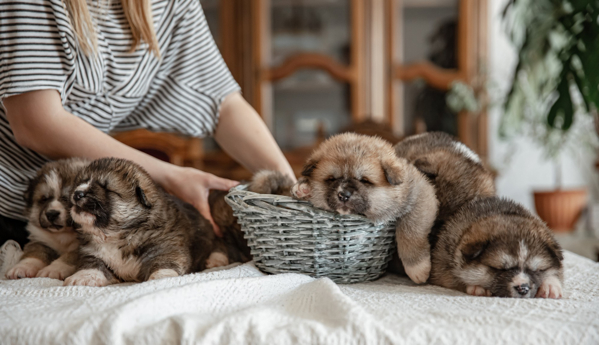
Not every confident, well-adjusted dog starts with obedience classes or structured socialization. Many of the traits pet owners value most—calmness, resilience, and connection—can be nurtured long before a puppy ever meets their new family.
The process of raising emotionally sound dogs begins well before birth. This article highlights just how much influence early environment, breeder care, and intentional handling can have on a dog’s future behavior and well-being. Whether someone is a prospective dog owner or a fellow breeder, understanding this early influence can help set puppies up for long-term success.
-
The Womb Is the First Environment
Research in animal behavior and prenatal development shows that stress experienced by the pregnant dam can impact the temperament of puppies in utero. A calm, consistent environment supports the development of emotionally balanced dogs. Breeders should minimize external stressors throughout pregnancy—avoiding household upheaval, limiting visitors, and ensuring the dam receives gentle, familiar human interaction. This calm rhythm contributes to puppies that are better able to self-regulate once born.
Source: Schoon, H. A., & Bertram, H. L. (2002). Influence of prenatal stress on behaviour, learning and sensory development in dogs. Applied Animal Behaviour Science.
-
The First Three Weeks: Quiet but Critical
Although the first three weeks of a puppy’s life may appear uneventful—dominated by sleep and nursing—this stage lays the foundation for emotional security and trust. Breeders play an active role even at this stage. Puppies should be handled daily with care, and their surroundings should be kept calm and predictable. These early interactions help puppies form positive associations with human touch and presence, even before their eyes and ears fully open.
-
Exposure Without Overwhelm
From three to eight weeks of age, puppies benefit from safe, age-appropriate exposure to the world around them. This includes introducing new textures (like grass, fleece, and tile), sounds (from kitchen clatter to recorded thunderstorms), and experiences (like brief crate training sessions or nail trims). The goal is to gently stretch the puppies’ comfort zones without overwhelming them—building resilience and curiosity, not fear. For future pet owners, this early enrichment can mean the difference between a fearful puppy and one who adapts quickly to life’s everyday surprises.


-
Tracking Temperament to Support a Lifelong Match
Every puppy is unique. Some are bold explorers, while others are thoughtful observers. Breeders who invest in temperament tracking, such as journaling a pup’s reactions to people, new environments, and sounds, can make more informed pairing decisions. This helps guide families toward the puppy that best matches their lifestyle and expectations. The result? Stronger bonds, fewer rehomings, and smoother transitions for both the dog and their new family.
-
Socialization Doesn’t Start at Home—It Starts at the Breeder
While pet owners are often told to socialize their puppies early, that process ideally begins before the puppy ever leaves the breeder. By the time they go home, puppies should be used to being gently handled, introduced to collars and grooming tools, and exposed to everyday human activity. These early positive experiences shape how puppies view people and prepare them for life in a human world.
Final Thoughts
The journey to a confident, well-adjusted dog begins far earlier than most people realize. From prenatal care to thoughtful early handling, the breeder’s role is foundational. For pet owners, choosing a breeder who invests in this process can make all the difference. And for breeders, the opportunity to influence a dog’s entire life trajectory is both a responsibility and a privilege. Confident dogs aren’t born by chance—they’re raised with purpose.


 Abderrahim Lafifi

