
How Family-Friendly Breeds Enhance Everyday Living
Dogs have long been called "man’s best friend," but for many families, they are so much more. They are playmates, protectors, companions, and even unofficial therapists. The presence of a dog in the home can create stronger family bonds, promote healthier lifestyles, and instill valuable life lessons in children. But how do you find the right dog for your family—and how do you make the most of that special bond?
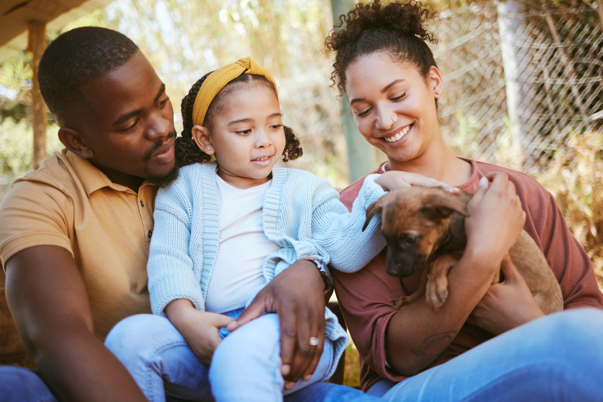
Dogs have long been called "man’s best friend," but for many families, they are so much more. They are playmates, protectors, companions, and even unofficial therapists. The presence of a dog in the home can create stronger family bonds, promote healthier lifestyles, and instill valuable life lessons in children. But how do you find the right dog for your family—and how do you make the most of that special bond?
This post dives into how family-friendly dog breeds contribute to a better quality of life, the lifestyle benefits of having a dog, and how to ensure a smooth, joyful experience for both your family and your furry friend.
Why Dogs Are the Heart of the Home
It’s no coincidence that so many family movies include a lovable dog character. Dogs add warmth, life, and emotional richness to our homes. Their loyalty and affectionate nature make them ideal companions for all ages. Whether it’s a sleepy Sunday on the couch or an energetic game of fetch in the yard, dogs have a unique way of turning ordinary moments into lasting memories.
Emotional Support
Dogs are intuitive creatures that often respond to human emotions. They have a calming presence, and many owners report that their dogs seem to know when they’re feeling down or anxious. Children going through difficult times—like moving to a new home or adjusting to school—often find comfort in their pet’s nonjudgmental companionship. For adults, dogs offer a sense of stability and a gentle reminder to live in the moment.
Responsibility and Routine
Having a dog helps teach children valuable lessons in responsibility. From feeding and grooming to walking and playing, caring for a pet encourages empathy, discipline, and time management. It also fosters a sense of pride and accomplishment as kids learn to care for another living being. These daily routines create structure in the household, helping everyone stay grounded and connected.
Physical Activity
A dog’s need for regular exercise keeps the entire household more active. Walks around the neighborhood, backyard games, or trips to the park promote a healthy, active lifestyle. It’s not just good for physical health—spending time outdoors with a dog has been shown to improve mental well-being and reduce screen time for both children and adults. Even a short walk can become a bonding ritual that strengthens family ties.
Emotional Connection
Dogs don’t just live in the background—they become central characters in the story of family life. They’re there for birthday parties, snow days, and late-night movie marathons. They give affection unconditionally, listen without judgment, and are always thrilled to see you come home. This kind of emotional consistency builds a deep, lasting bond that’s hard to replicate in any other relationship.
Matching Your Family Lifestyle with the Right Dog Breed
Different families have different needs. While some thrive with high-energy dogs that love long hikes and playtime, others may prefer calm, gentle breeds that enjoy quiet cuddles and moderate activity.
Whether you have toddlers, teenagers, or grandparents at home, choosing a breed that matches your family’s lifestyle is key to long-term harmony. Many families find success by researching the best family dogs to discover which breeds offer the right balance of temperament and energy.
Here are a few lifestyle categories and compatible breed types:
a. Active Families
- Labrador Retriever
- Golden Retriever
- Boxer
These breeds thrive on outdoor adventures, fetch marathons, and family hikes.
b. Apartment Dwellers
- Cavalier King Charles Spaniel
- French Bulldog
- Havanese
Compact, low-energy dogs are great for smaller living spaces.
c. Calm Households
- Basset Hound
- Clumber Spaniel
- Newfoundland
These gentle giants and relaxed breeds are ideal for quiet homes.
d. Families with Small Kids
- Beagle
- Collie
- Bernese Mountain Dog
These dogs are patient, affectionate, and tolerant of young children.
Real-Life Benefits of Having a Dog in the Family
A dog’s presence in the home brings far more than just joy and companionship. Scientific research and everyday experiences both show that having a dog positively impacts family life in meaningful, measurable ways—physically, mentally, and socially.
a. Mental Health Boost
Spending time with a dog triggers the release of oxytocin, often called the “love hormone,” which promotes feelings of bonding and happiness. At the same time, levels of cortisol, the stress hormone, decrease. This combination creates a natural calming effect that benefits both adults and children alike. For kids dealing with anxiety or emotional ups and downs, having a dog around can provide comfort and emotional stability. Even routine activities like petting or playing with a dog help reduce feelings of loneliness and depression, making dogs effective emotional support companions for the entire family.
b. Improved Immune System in Kids
Studies have found that children who grow up in homes with dogs tend to have stronger immune systems and a lower risk of developing allergies and respiratory problems. Early exposure to pets helps train the immune system to tolerate common allergens and microbes, which in turn can reduce the likelihood of asthma and eczema. This means that having a dog is not only fun but may also contribute to your children’s long-term health.
c. Social Skills and Confidence
Interacting with a pet encourages children to develop important social and communication skills. Walking the dog often leads to casual conversations with neighbors or other pet owners, providing opportunities for socialization outside the home. For shy or introverted children, dogs act as social facilitators, helping them gain confidence and ease in social settings. Even within the family, caring for a dog fosters empathy, patience, and responsibility—traits that are valuable for healthy social development.
d. Safety and Security
Many family-friendly dog breeds are naturally protective and alert, offering an extra layer of security for your home. While not all dogs are guard dogs, most will bark or signal when unfamiliar people approach, alerting the family to potential dangers. This protective instinct brings peace of mind, especially in busy households or neighborhoods. Beyond physical safety, the emotional security of knowing your dog is “watching out” adds to the overall sense of well-being in the home.
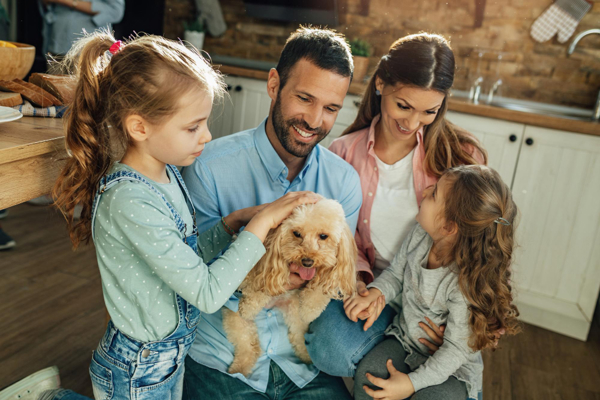
Building a Family Routine Around Your Dog
Dogs thrive on consistency, and families often benefit from the structure and rhythm that a pet introduces into daily life. Creating routines not only helps your dog feel secure and happy but also fosters quality time and connection for everyone in the household.
Morning Routine
Starting the day with your dog can set a positive tone for the whole family. Letting the dog outside for a quick bathroom break first thing helps them settle and feel comfortable. Feeding time is another important ritual—whether it’s breakfast kibble or a special treat, it provides a sense of order and care. Many families find that a short morning walk or some gentle playtime is a wonderful way to wake up and get moving together. Plus, a quick cuddle or belly rub offers a moment of calm and affection before the day gets busy.
Afterschool Activities
After a long day at school, children often need a way to decompress—and dogs offer just that. Playing fetch in the backyard or simply spending time petting and talking to their furry friend helps kids relax and transition from school mode to home life. This break encourages physical activity, creativity, and emotional release. For quieter afternoons, snuggling on the couch or reading with the dog nearby can create comforting routines that reduce stress and build bonds.
Evening Wind Down
As the day winds down, many dogs love to curl up close with their family members. Whether it’s on a favorite blanket, by the fireplace, or right next to the couch, this evening ritual strengthens emotional connections. The calm presence of a dog can ease tension, signal that it’s time to relax, and provide a cozy end to the day. Some families even include their dog in bedtime routines—like brushing their coat or giving a final potty break—to help both humans and pets settle peacefully for the night.
Integrating Your Dog Into Family Life
It’s not just about ownership—it’s about inclusion. The more your dog feels like part of the family, the more rewarding the relationship becomes.
Family Events
Take your dog along on picnics, camping trips, and even some vacations. Being part of the family means being part of the memories.
Celebrations
Celebrate your dog’s birthday with a small treat, or include them in holiday fun with dog-safe snacks and toys.
Photos and Keepsakes
Include your dog in family photos and create keepsakes like paw print ornaments or custom illustrations.
Preparing for a New Family Dog
If you're considering adding a dog to your household, preparation is key to a smooth transition.
a. Research Breeds
Don’t just go by appearance—understand the temperament, energy levels, and needs of potential breeds.
b. Puppy-Proof the House
Secure electrical cords, remove choking hazards, and set up safe zones for the new pup.
c. Establish Rules
Make sure everyone in the house agrees on ground rules—where the dog can go, what furniture is off-limits, feeding schedules, etc.
d. Visit the Vet
A full check-up, vaccinations, and a microchip should be on your first-week checklist.
Keeping the Bond Strong Over Time
Like any relationship, the bond with your dog needs to be nurtured.
Training
Basic obedience training not only improves behavior but builds trust.
Health Maintenance
Good nutrition, regular vet checkups, and daily activity are vital.
Mental Stimulation
Dogs get bored too! Use puzzle toys, teach new tricks, or hide treats to keep them mentally engaged.
Celebrating the Love: Pet-Inspired Lifestyle Choices
In recent years, dog lovers have embraced pet-themed fashion and accessories as a way to show off their affection.
Families are incorporating their dogs into more than just everyday life—they’re showing off that love through personalized items, home decor, and even fashion. Whether it’s matching pajamas, holiday cards with the dog front and center, or tote bags with cute dog prints, these little touches say: “Our dog is part of the family.”
Common Challenges and How to Overcome Them
Family life isn’t always perfect, and neither is dog ownership. While the joys of having a dog are many, every family encounters challenges at some point. The good news? Most common issues can be managed effectively with patience, consistency, and a little know-how.
a. Shedding and Allergies
Shedding can quickly become a hassle, especially for families sensitive to pet dander. To minimize problems, consider hypoallergenic dog breeds like Poodles, Bichon Frises, or Portuguese Water Dogs, which tend to shed less. Regular grooming is essential—brushing your dog’s coat several times a week helps remove loose fur and keeps skin healthy. Investing in a quality vacuum designed for pet hair and using air purifiers can reduce allergens in your home, making the environment more comfortable for everyone.
b. Barking
While barking is a natural form of communication for dogs, excessive or constant barking can be disruptive and stressful. Often, dogs bark out of boredom, anxiety, or to alert the family of perceived threats. The first step is to identify the trigger—does your dog bark when left alone, when visitors arrive, or during certain noises? Training techniques like teaching a “quiet” command, providing enough physical and mental stimulation, and ensuring your dog’s needs are met can significantly reduce excessive barking. In some cases, consulting a professional trainer or behaviorist is helpful.
c. Chewing
Puppies and even adult dogs explore their world through chewing, but inappropriate chewing can lead to damaged belongings and frustration. To prevent this, provide plenty of safe chew toys and rotate them regularly to keep your dog interested. Teaching your dog what is and isn’t appropriate to chew is important; when they start chewing on furniture or shoes, gently redirect them to a toy instead. Consistency from all family members in reinforcing good behavior is key.
d. Scheduling Conflicts
A busy family schedule can make consistent pet care a challenge. Feeding times, walks, grooming appointments, and vet visits all require planning. Using family calendars—whether physical or app-based—helps assign responsibilities clearly, so everyone knows their role. Apps specifically designed for pet care can send reminders and track activities to ensure nothing is missed. Scheduling time for your dog also means less stress and a happier pet, reinforcing a strong family bond.
Dogs Make Families Whole
Dogs don’t just live in our homes—they live in our hearts. They grow with our children, comfort us during hard times, and bring joy to our everyday lives.
Whether you're already a proud dog parent or just beginning the journey, embracing a lifestyle that includes your furry friend brings endless rewards. From choosing the right breed to integrating them into family traditions, the love and companionship of a dog make everything better.


 Muhammad Saad

