
The Science Behind Durable Dog Toys: How Material and Design Affect Chewing Behavior
Dogs do far more than “play” with toys; they test them through chewing, tugging, shaking, crushing, and thrashing. Modern durable dog toys are not random creations; they are engineered using behavioral research, durability testing, and bite-force studies to withstand specific chewing styles.

Dogs do far more than “play” with toys; they test them through chewing, tugging, shaking, crushing, and thrashing. Some toys survive only minutes, while others last for months, and the reason is rooted in material science, design engineering, and canine chewing psychology. Modern durable dog toys are not random creations; they are engineered using behavioral research, durability testing, and bite-force studies to withstand specific chewing styles.
In this article, we explore how the materials influence strength, why design impacts longevity, and what scientific principles allow a toy to remain intact even when challenged by intense chewing behavior often seen in aggressive chewer dog toy users.
Why Dogs Chew: The Behavioral Science Behind the Instinct
You cannot understand durable toys without understanding the science of chewing behavior. Dogs chew for many reasons, and each reason influences how quickly or slowly a toy will break down.
Chewing originates from wolf behavior, where it helped strengthen jaw muscles, process bones, relieve stress, and support hunting and exploration activities. Research in canine ethology confirms that modern dogs retain these instinctual motivations despite domestication. According to the American Veterinary Medical Association, wolf-descended behaviors such as chewing and gnawing continue as natural outlets for energy and instinct in household dogs.
Scientific research indicates that repetitive chewing can stimulate the release of endorphins, which helps dogs manage anxiety, reduce boredom, and self-soothe. A study published in the Journal of Veterinary Behavior documented that dogs engaging in long-duration chewing experienced measurable relaxation and reduced cortisol levels.
Between the ages of 3 and 6 months, puppies chew instinctively to relieve gum discomfort and explore their world. Studies in developmental canine behavior show that teething puppies benefit significantly from structured chew materials that divert chewing away from household objects. Giving them safe, durable materials prevents destructive chewing on shoes, cords, or furniture. If you’re looking for safe, high-quality pet products, companies like Clapaw provide durable options for all breeds and chewing styles.
The Role of Material Science in Durable Dog Toys
While behavior dictates why dogs chew, material science dictates how long a toy will last. The toughness, elasticity, hardness, and structural composition of a material heavily influence its durability. Below are the most scientifically validated materials used in toys designed for aggressive chewers.
Natural Rubber: The Safest and Strongest Chew Material
Rubber works exceptionally well because it combines flexibility with strength. Its elastic molecular structure allows it to withstand recurring jaw compression, resist punctures, and distribute pressure across the toy instead of concentrating it in a weak spot. Research in polymer science supports rubber’s excellent durability under repetitive stress. Why natural rubber works: High tensile strength, excellent elasticity, non-toxic, puncture resistant, absorbs powerful jaw compression, and provides satisfying bounce and grip. This makes rubber ideal for super-chewer dog toys, durable dog toys, and the best dog toys for aggressive chewers. Rubber toys distribute pressure evenly, reducing the wear that causes cracking or splitting.
Hard Nylon: Engineered for Strong Jaws
Nylon is another highly durable material frequently used in dog toys. According to material engineering research, nylon is resilient against scraping, gnawing, and crushing forces due to its crystalline polymer structure. Veterinarians recommend nylon toys for strong-jawed breeds because they offer resistance without splintering when properly manufactured. Textured nylon toys are also shown to support dental cleaning by gently scraping plaque during normal chewing
Rope Toys: Best for Tugging and Dental Support
Braided rope toys provide “dental floss” action, moderate durability, and great tugging resistance. These toys work well for play-driven chewers, but they are not ideal for extreme shredders, as fibers can loosen over time.
Multi-Layer Fabric With Reinforced Stitching
Not all dogs prefer hard materials. Some love plush textures, but plush toys are usually destroyed quickly. To solve this, manufacturers use Kevlar-reinforced fabric, tear-resistant stitching, multi-layered interior cores, and hidden seams. This engineering allows soft toys to survive much longer than traditional plush designs.
EVA Foam, TPE & Thermoplastics
These lightweight materials are excellent for fetch and water play, as studies in polymer behavior show their shock-absorbent, buoyant properties. However, they are not designed for aggressive chewing; instead, they are best suited for structured activities where durability comes from flexibility rather than hardness.
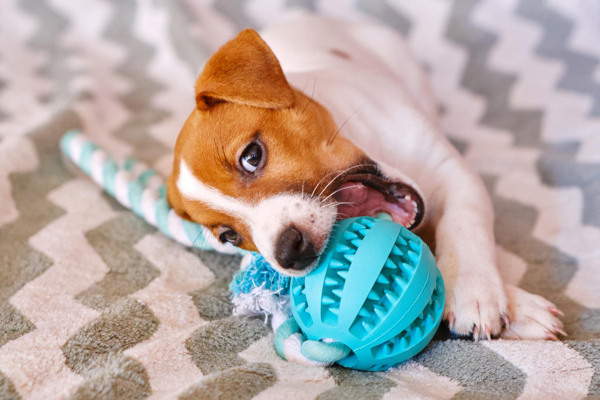
Design Engineering: How Shape & Structure Affect Durability
Material alone does not make a toy strong. Design is equally critical. Engineers analyze how dogs bite, tug, and twist toys to create shapes that resist breaking.
Multi-Core Internal Structures
Many durable toys include multi-layer cores engineered to distribute bite force. This concept is borrowed from mechanical engineering principles that study how layered materials withstand compressive stress.
A toy with a solid inner core and a softer outer shell reduces the risk of surface cracking or fragmentation.
Textured Surfaces Improve Longevity
Textures such as ridges, bumps, grooves, and nubs redirect the chewing force, make toys harder to puncture, increase engagement, promote dental cleaning, and reduce choking risks. Texture variety also helps prevent repeated pressure on the same area, extending toy life.
Rounded, Spherical & Irregular Shapes
The shape of a toy affects how a dog can grip it. Rounded shapes distribute force evenly, reduce tearing risks, and make targeted destruction harder. Irregular shapes mimic prey-like unpredictability, stimulate interest and chase behavior, and challenge chewing patterns. This satisfies instinctual chewing while protecting the toy from predictable breakpoints.
Reinforced Edges and Hidden Seams
For fabric and plush toys, hidden seams reduce tearing, double-stitched edges add durability, and reinforced borders prevent ripping. This design strategy significantly increases survival time for “soft” toys.
Matching Toy Materials to Chewing Styles
Dogs have different chewing personalities. Understanding these helps owners select the right toy. “Nibblers” are usually gentle chewers, enjoy exploring textures, and prefer soft or flexible toys. “Destroyers” rip fabric, remove squeakers, and target weak spots. These dogs need layered toys with reinforced stitching. “Power chewers” have strong jaws that apply continuous pressure. They love aggressive chewer dog toys. They need natural rubber, hard nylon, and solid core designs. Choosing toys based on chewing style prevents accidents and saves money.
What Dogs Want: The Psychology Behind Toy Attraction
You must also consider why dogs love toys. According to PetMD, dogs love toys, especially squeaky toys, because they trigger natural instincts tied to hunting, play, scent, and oral stimulation. They mimic prey movements, relieve frustration, provide sensory satisfaction (sound, texture, resistance), offer bonding moments with owners, and allow dogs to “win” through chewing, tugging, or shaking. Understanding this psychology helps brands design toys that meet emotional needs, not just physical ones.
Recommended Durable Chew Toy
If you’re searching for scientifically engineered toys built to last and made from high-quality rubber for a strong option, Clapaw has great selections. Their texture, material density, and shape make it ideal for super-chewer dog toys enthusiasts and daily chewing activities.
Final Thoughts: The Science of Stronger Chew Toys
Durable dog toys are not mere products; they result from a combination of material engineering, behavioral science, and thoughtful design. By understanding why dogs chew, how materials behave under stress, and which design strategies prevent tearing, owners can choose toys that last longer, improve safety, and support emotional and physical well-being. Whether your dog is a gentle nibbler or a determined power chewer, selecting toys backed by science will always provide the best long-term value.


 Muhammad Saad

