
Protecting the Trachea: Safe Handling Choices Every Dog Owner Should Know
The trachea is one of the most important structures in a dog’s airway. It supports steady breathing, protects the lungs from debris, and helps maintain airflow during movement. A thoughtful combination of fit, handling, and awareness goes a long way toward protecting the airway.
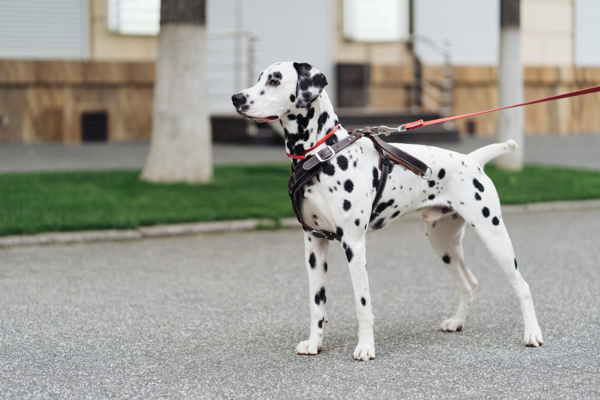
The trachea is one of the most important structures in a dog’s airway. It supports steady breathing, protects the lungs from debris, and helps maintain airflow during movement. Even moderate pressure around the neck may affect how easily a dog breathes, especially during exercise or when startled.
Before studying handling techniques, it helps to understand how different harness structures shift pressure away from the throat. Here’s an overview of harness designs used for chest-based handling.
Many owners discover tracheal stress only after coughing begins, yet strain often builds slowly over time. A thoughtful combination of fit, handling, and awareness goes a long way toward protecting the airway. This guide explains where strain comes from, why some dogs need extra attention, and how small adjustments support comfortable breathing for daily life.
Why the Trachea Needs Thoughtful Care
What the Trachea Does
The trachea is made of C-shaped cartilage rings linked together by flexible tissue. These rings keep the airway open while allowing normal head and neck movement. Although sturdy, this structure responds quickly to external force. Even light tension around the throat may lead to coughing, especially during excitement or exercise.
How Neck Pressure Affects Breathing
Pressure on the throat has several consequences: Airway narrowing, throat irritation, increased coughing frequency, difficulty taking deep breaths, and heightened sensitivity during movement. Dogs with chronic coughing or loud breathing often show discomfort long before owners notice a pattern. The American College of Veterinary Surgeons notes that pressure around the neck may increase the risk of irritation or airway sensitivity in some dogs.
Source: American College of Veterinary Surgeons – Tracheal Collapse Overview
Situations That Create Hidden Strain on the Neck
Pulling During Walks
Steady pulling adds continuous pressure along the throat. The dog may not show distress, yet the airway experiences stress with every step. Over time, this tension may lead to irritation.
Sudden Lunges and Fast Movements
Fast lunges create the sharpest force. These moments usually come from distractions by birds or squirrels, other dogs, children running nearby, traffic noise, sudden movement, and unexpected sounds. This “whiplash effect” delivers a strong jolt to the neck.
Small, Senior, and Flat-Faced Dogs
Some dogs experience airway stress far sooner, including toy breeds with smaller trachea diameters, brachycephalic breeds that naturally have restricted breathing, and senior dogs with reduced cartilage strength. A single unexpected pull might be enough to trigger coughing. Plus, VCA Animal Hospitals highlights that toy breeds, older dogs, and brachycephalic breeds may show signs earlier and need more support.
Source: VCA Animal Hospitals – Tracheal Collapse in Dogs
Equipment Choices That Protect the Airway
Why Harnesses Support Safer Walking
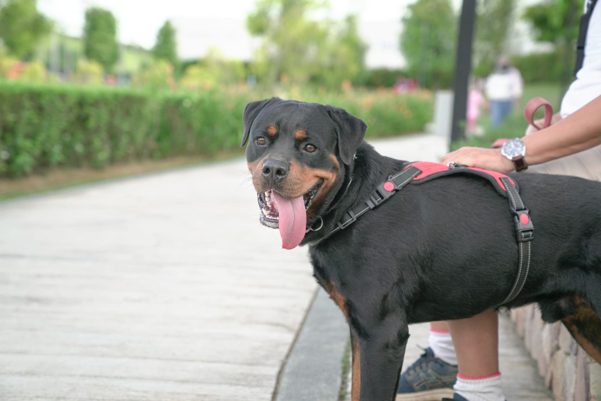
Harnesses distribute force across the chest, shoulders, and ribcage—areas that naturally handle pressure well. This protects the throat while giving owners balanced control during daily walks. For owners who want to understand how chest-led equipment varies, this resource which shows various chest-led harness options offers a simple breakdown of the most common structures used. Dogs move with more freedom through the shoulders when chest-led designs fit correctly. This improves comfort while reducing the chance of throat pressure during quick direction changes.
Lead Attachment and Body Position
Lead placement affects direction, posture, and how easily force transfers to the body. Balanced attachment points help redirect tension away from the neck and encourage more controlled movement. For owners comparing everyday lead options, here is a simple overview of lead styles used with chest-led handling.
Collars for Identification and Low-Pressure Handling
Collars work best when tension stays low. Their primary role is carrying ID tags, microchip backup identification, controlled indoor handling, and moments where force is not expected. For owners wanting to review typical collar structures, here’s a page showing common collar designs used for identification and calm handling.
How Handling Skills Lower Trachea Stress
Loose-Lead Foundations
Loose-lead walking reduces tension more effectively than any equipment change. Key principles include keeping the lead slack most of the time, rewarding attention and orientation toward the handler, walking at a steady pace instead of rushing, and providing enough lead length for natural stepping. This approach steadies the dog’s movement, preventing tension spikes.
Reading Early Signs Before a Lunge
Dogs rarely lunge without warning. Watch for sudden stillness, leaning forward, fixed staring, tail stiffening, quick head turns, and faster breathing. Redirecting early by adding distance, changing direction, or engaging the dog’s attention helps prevent sudden impact on the neck.
Supporting Dogs With Throat Sensitivity
Dogs with a history of coughing or airway irritation need more structure, such as predictable walking routes, avoiding busy areas at peak hours, slow starts before increasing pace, and rest on days when symptoms appear. Owners should ask their veterinarian for guidance when coughing increases, exercise tolerance drops, or breathing sounds change suddenly.
Fit and Comfort Checklist for Safer Walking
Daily Fit Check
Before each walk, confirm that two fingers fit under the key straps, the chest section rests above soft tissue, the straps stay evenly across both sides, no rotation under the dog’s chest, and full shoulder movement is visible. A good fit prevents rubbing and keeps pressure in the right places.
Signs Fit May Need Adjustment
Look for redness, loss of fur under the straps, sideways pulling, avoidance of the harness, and frequent scratching around contact points. These signs indicate either poor fit or discomfort that needs attention. Moreover, those owners who want visual guidance on correct placement may find this instructional guide on secure harness placement helpful.
When to Involve a Veterinarian
Early Symptoms
Seek guidance if you notice a honking cough, wheezing, strained breathing, heavy panting after short walks, and throat clearing during excitement. These signs may indicate airway irritation.
Chronic Conditions
Some dogs develop long-term airway issues that require ongoing care. Early veterinary involvement may slow progression and help the dog stay more comfortable. Treatment plans vary widely depending on severity, breed, and age.
Final Thoughts
Protecting the trachea is a combination of thoughtful equipment choices, steady walking habits, and awareness of early symptoms. When pressure stays off the throat, dogs breathe more easily, move with more comfort, and show better focus during walks. Each part of this approach—fit, handling, and observation—supports healthier movement throughout a dog’s life.


 Abderrahim Lafifi

