
How Protection Dogs Are Trained To Be Family-Friendly
Protection dogs are a highly desirable form of personal security because they provide the necessary protection and are also beloved family companions. However, your protection dog must receive the right training and socialization to be around children and busy families. If you’re looking for a family-friendly protection dog, it’s important to do your research about the breed you’re most interested in, along with getting as much information as possible from your breeder and your trainer.
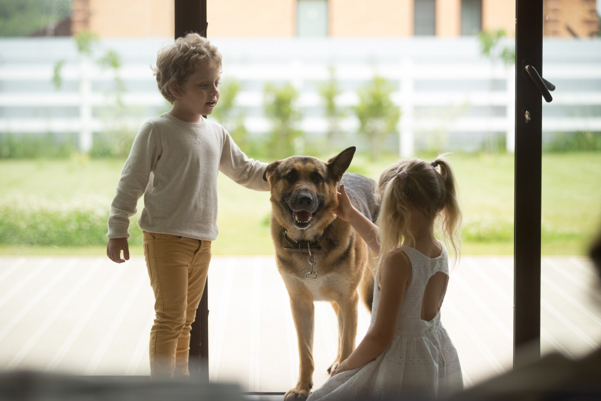
Protection dogs are a highly desirable form of personal security because they provide the necessary protection and are also beloved family companions. However, your protection dog must receive the right training and socialization to be around children and busy families. If you’re looking for a family-friendly protection dog, it’s important to do your research about the breed you’re most interested in, along with getting as much information as possible from your breeder and your trainer.
Start With the Right Breed
There are a few breeds with natural protection traits, but some of them are better with children than others. Children move suddenly, make loud noises, and don’t always behave in ways that make sense to dogs. If you want a protection dog you can trust around your kids; you’ll need a dog that’s naturally protective but also loyal, gentle, and capable of discerning a threat from an overly excited child.
Before deciding whether a breed is right for you and your family, here’s what to consider.
- Protection Traits: Protection dogs need to be alert, courageous, and naturally protective of their people.
- Temperament: Family-friendly protection dogs need to be patient and gentle with children, but they also need to be willing to put themselves in harm’s way to protect the people they love.
- Trainability: Protection dogs must be extremely well trained, so you’ll want a breed that responds well to training.
- Intelligence: Protection dogs should be smart so they can accurately assess situations for danger and respond appropriately. Dogs with higher intelligence also learn quickly.
- Physical abilities: Protection dogs need to be strong enough to take on a threat, agile enough to get to the threat quickly, and with sufficient stamina to protect for extended periods.
- Loyalty: A strong bond is necessary for protection dogs to be truly effective, but it also ensures that they’re loyal and loving family companions.
Some of the top family-friendly protection dog breeds for strength, fearlessness, and excellence with children are German Shepherds, Belgian Malinois, Rottweilers, Doberman Pinschers, and Bullmastiffs.
Find an Experienced, Reputable Breeder
The best way to ensure that your protection dog will be healthy and display all the traits you’re looking for is to get your dog from a reputable breeder. Find a breeder with ample experience breeding dogs with the characteristics you want. Make sure they’re careful about doing everything possible to ensure their dogs are healthy and well-bred. Lineage matters, but so does the care the mother dog receives during her pregnancy and the care the puppies receive after birth. Look for breeders that will provide any health or lineage records you request, including:
- Veterinary records and inspection of health
- Health screenings, including X-rays, blood tests, and more
- Genetic tests for diseases and disorders
It’s also a good idea to look for breeders whose dogs are registered with a reputable kennel club. This helps ensure your breeder is breeding dogs that meet breed standards rather than breeding for currently fashionable traits. Finally, look for other dog owners who recommend any breeders you’re considering. See if you can meet them (and their dogs!) to get an informed opinion about the breeders and their puppies.
Once you’ve chosen a trustworthy breeder, make sure you can meet the litter (even online if necessary) so you can assess several things:
- Is the mother interacting with her puppies, and does she appear comfortable and calm?
- Is the environment in which the puppies are kept clean and safe?
- Are the puppies healthy and lively, with an interest in interacting?
Finally, and perhaps most importantly, the breeder should be asking you questions, too. A reputable breeder will be choosy about where they place their puppies. They’ll want to make sure that you provide your dog with a safe and loving home and that you have the resources to provide your dog with everything they need. For a family-friendly protection dog, that means ample professional training.
Ensure Your Dog is Fully Trained by an Expert
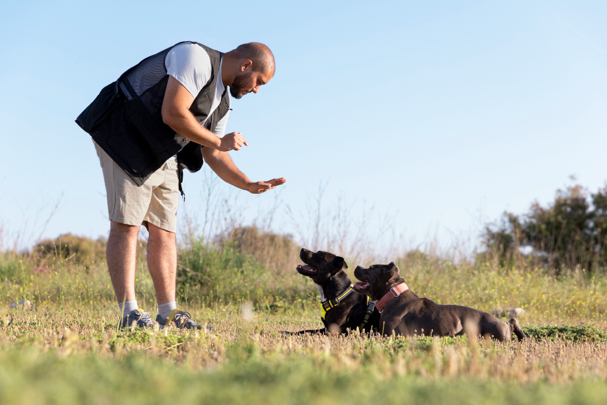
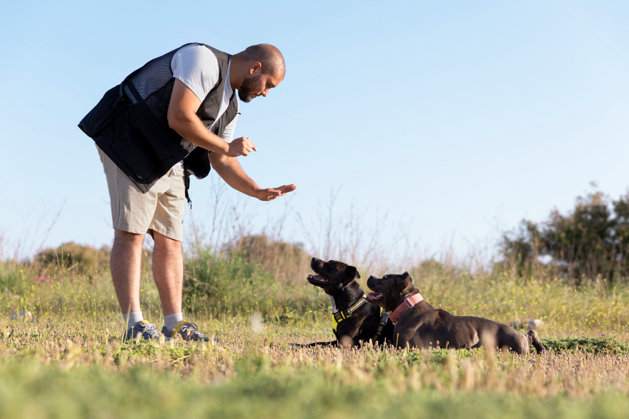
Finding the right dog is one thing, but a trustworthy family protection dog requires significant training. Protection training isn’t something you should try to undertake yourself, though. It’s critical that you find a professional trainer who’s an expert in protection training to fully train your dog so you can trust them to protect you correctly. With the correct training, your protection dog can:
- Detect and assess a threat successfully
- Act, when necessary, to neutralize a threat
- Comfortably interact with people and other pets in social situations, in public settings, and at home
- Interact safely and lovingly with family members
Training and socialization start early. An intelligent dog with excellent protection traits still needs to learn how to be alert and responsive from a very young age. Find a trainer with extensive experience training family-friendly protection dogs in an environment where they’re exposed to children. A trainer will do this slowly and carefully, ensuring the dog is comfortable and knows how to interact. They’ll also expose the dog to a variety of environments and real-world situations so that they know how to react in myriad circumstances. This protection training can be dangerous, particularly if you’re not properly prepared, so it is essential you leave the intensive training to professionals.
Generally speaking, personal protection dogs aren’t ready to work until they’re a couple of years old. This ensures they’re mature enough and have received enough training to do their jobs successfully. This also gives them time to be properly socialized so you can trust them around your family, and they won’t be unnecessarily aggressive towards unfamiliar faces.
Expert Training is Vital for Family-Friendly Protection Dogs
Start by choosing a breed known for its protection traits and devotion to its people. Find a trusted breeder who consistently breeds successful protection dogs who bond well. From there, however, it’s all about the training. A professional protection dog trainer knows how to teach your dog impulse control, excellent communication, and threat detection in a structured way that helps your dog build confidence and skills. From simple obedience training to family-friendly socialization to bite-work training, an expert trainer has the skills and experience to prepare your dog for both high-stress situations and a loving family home.
You, your family, and your dog will all benefit from outsourcing protection training to a professional. After that, it’s your job to maintain that training and provide everything your dog needs, including a safe and loving home and plenty of exercise and stimulation. The result will be a family protection dog that offers invaluable security and loving companionship.
---
Sources
https://ckcusa.com/blog/2023/august/what-to-look-for-when-purchasing-a-ckc-registered-puppy/
https://scottsk9.com/family-protection-dogs-for-your-home-and-children/
https://www.goodhousekeeping.com/life/pets/g22997516/best-guard-dogs/
https://www.dogster.com/dog-training/how-to-train-a-guard-dog


 Mohsin Khan

