
Is My Dog Actually Social… Or Just Overstimulated?
If you have an active dog who likes to interact with everyone and everything, it can be difficult to tell when they are truly happy and when they are feeling overstimulated. With these tips, you can distinguish social behaviors from signs of overwhelm, spot the shift from one to the other, and create positive boundaries that keep your dog healthy and happy.
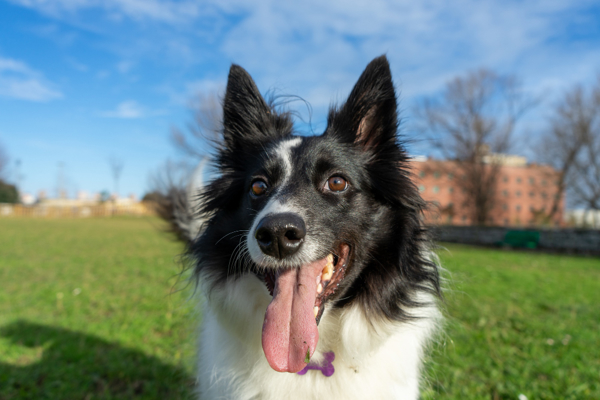
Boisterous dogs can be a delight, but they are not always happy. If you have an active dog who likes to interact with everyone and everything, it can be difficult to tell when they are truly happy and when they are feeling overstimulated. Overstimulation is more than just an excess of activity. It can trigger reactive or unhealthy behaviors if not addressed, especially if you don’t notice in time to change the environment. The good news is that you can learn and recognize the difference. With these tips, you can distinguish social behaviors from signs of overwhelm, spot the shift from one to the other, and create positive boundaries that keep your dog healthy and happy.
Happy Social Behaviors
A happy dog is a lot like a small child at the park on a beautiful day. They can’t get enough of the sun, wind, and time with other dogs. You can tell that your dog is truly feeling social when you spot these behaviors:
-
Floppy ears
-
Soft gaze
-
Relaxed body
-
Good overall behavior during the outing
-
Friendliness to other people and dogs
petMD notes that dogs may bark or seem to dance when they are happy, but they may make similar movements when overstimulated or anxious. It’s important to be able to tell the difference.
Overwhelmed Social Behaviors
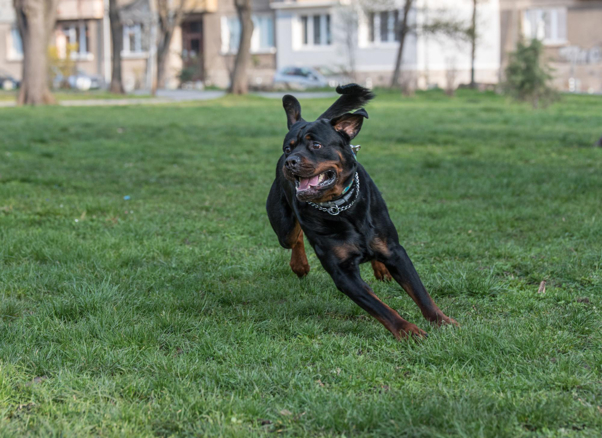
Everyone feels overstimulated at times. Overstimulation can feel like you’ve had too much coffee and now you can’t focus. It’s not a positive feeling, and it can cause your dog to lash out or behave erratically. Pay attention to these signs that your dog is feeling overstimulated:
-
Visible tension in the face
-
Stiff ears
-
Fast, direct actions
-
Jerky head movements
-
Wild eyes
-
Uncontrolled chasing
Research in Animals showed that dogs are more likely to show these excitable behaviors when exposed to unfamiliar stimuli, like a person or a dog they don’t know. Owner-reported surveys associated higher excitability levels with an increased likelihood of destructive or problematic behaviors.
Identifying the Shift
Many dogs start out happy and shift to overstimulated, and you need to be able to catch them before the change turns a delighted dog into an uncontrollable one. Look for these common transition points:
-
Relaxed or joyful behavior becomes specific and focused
-
Responsiveness to social cues decreases or disappears
-
Good behavior turns into disobedience
If you have a dog that suffers from even occasional anxiety, you may need to step up your supervision to make sure they aren’t getting overwhelmed with unfamiliar circumstances. Overstimulation and anxiety can present with similar behaviors, such as whining or spinning, but anxiety often manifests as an unwillingness to participate or engage, according to petMD.
Creating Positive Boundaries
Avoiding overstimulation involves creating positive boundaries that serve to protect your dog’s space and energy, instead of feeling unnecessarily limiting. To get the most from your dog’s social outings, be sure to do the following:
-
Socialize your dog early and avoid long periods of social disengagement
-
Stay current with behavior training at home
-
Introduce new environments one at a time to avoid overwhelm, such as choosing an unfamiliar dog park with a familiar surface and layout
-
Identify places you can go if your dog needs a break
-
Take breaks during social activities to allow your dog to rest a bit, hydrate, or eat
If you are preparing your pet for dog boarding, be sure to vet the organization and find out how they handle overstimulation. Ensuring that your dog will have a safe place to decompress when they are stressed, fearful, or overwhelmed can help them have a better experience overall.
Ensuring your dog remains comfortable during social outings is essential. Both a happy dog and an overstimulated dog may bark, but you can learn to tell the difference. By discovering the distinctions between these two attitudes, you can create boundaries that provide a supportive environment for your dog, even when you’re not home.


 Fay Smith

