
Small or Large Dog? Understanding Lifestyle Differences Before You Choose
When considering getting a dog, many people wonder whether to get a small or a large dog. There are physical differences between small and large dogs, and it is important to understand the resulting differences in lifestyle beforehand. In this article, we will introduce the differences in lifestyle between small and large dogs and highlight key considerations to keep in mind when living with each.
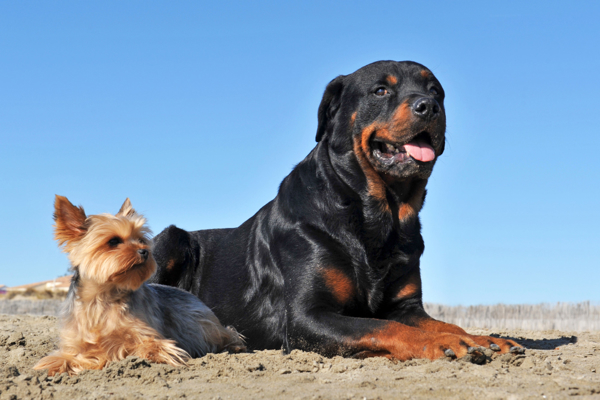
There are no clear standards for classifying dog sizes, but generally speaking, dogs weighing less than 10 kg as adults are considered small dogs, those weighing between 10 and 25 kg are considered medium-sized dogs, and those weighing over 25 kg are considered large dogs. Because there is a big difference in weight and size between small and large dogs, there are many differences in their lifestyles. Here are four differences between the lifestyles of small and large dogs.
1. Food quantity and cost
Basically, the amount of food a dog eats is proportional to its weight, so large dogs require more dog food than small dogs, and their monthly food costs can be several times higher than those of small dogs. Additionally, grooming fees, pet hotel fees, and insurance fees tend to increase as the dog gets larger. Items such as crates and dog beds are also more expensive for large dogs than for small dogs. Generally speaking, large dogs cost more than small ones. One study found that there is a difference of about 900,000 yen in the lifetime cost of a small dog compared to a large dog.
2. Momentum
Small and large dogs have different exercise needs. Although there are some small breeds that require a lot of exercise, such as Jack Russell Terriers, small dogs generally require less exercise. The recommended walking time is two walks per day, 15 to 30 minutes each time. On the other hand, large dogs require a lot of exercise, and the recommended walk time is about two hours a day, about an hour each time. Therefore, if you own a large dog, you will need the time and stamina to walk it for a total of about two hours every day.
3. Required space
Because of their small size, small dogs do not require a lot of space and are easy to keep in an apartment. However, large dogs require a lot of space. An ideal home would have a spacious living room where they can relax and a yard where they can exercise and play. Even when it comes to something like a sleeping area, there is a big difference in the amount of space required between small and large dogs. To ensure your dog lives comfortably, it is important to provide a living environment that is appropriate for its size.
4. Transportation
Small dogs can be easily transported with their owners as they can be put in a carrier bag and used on public transportation such as trains and buses. On the other hand, it is difficult for large dogs to use public transportation, so they usually travel by car. If the owner cannot drive or does not have a car, pet taxis are available, but there are few operators, so it can be difficult to use in some areas. Before you start living with a dog, you need to think carefully about your transportation options.
Things to keep in mind when living with a small dog
Small dogs are often thought of as cute and easy to keep, but because they are small, there are quite a few things you need to be careful of when living with them. Below, we will introduce some specific things you should be careful of.
1. Beware of fractures
Small dogs have very thin bones, so they are at higher risk of breaking a bone when jumping from a height or falling on a slippery floor. They can even break a front leg when jumping off the sofa. For this reason, it is important to take measures such as installing dog steps or ramps on sofas and laying mats on slippery floors. Also, be careful not to drop your dog when holding it.
2. Take measures against the cold in winter
All dogs are sensitive to the summer heat, but their tolerance to the winter cold varies by breed. Small dogs are generally known to lose body heat easily and are vulnerable to the cold. Therefore, they need to be protected from the cold in winter. If they are not protected, they may become ill. When taking your dog for a walk, it’s a good idea to dress it in warm clothing and choose a warm time of day. When indoors, make sure to keep it warm by using a heater to keep it at a comfortable temperature and providing a blanket so it can warm itself.
3. Be careful not to overindulge
Small dogs are small and cute, so it’s easy to spoil them. However, spoiling them too much can lead to them becoming selfish, which can lead to problem behaviors such as barking and biting. Even if they are small, training is essential. Don’t neglect basic training such as “sit,” “down,” “stay,” and “come,” and don’t give in too often to their requests. It’s important to be mindful of how you interact with them and build a relationship of trust.
4. Walking is necessary
Generally, small dogs don’t get much exercise, so some people may think that “as long as they stay indoors, they don’t need to be walked.” However, even small dogs need to be walked. Walks are not only a way to make up for a lack of exercise, but they are also an important time for dogs to be exposed to various stimuli from the outside world, develop social skills, and satisfy their curiosity. Spending time indoors without going for walks can easily lead to stress. For the sake of their physical and mental health, make it a habit to walk even small dogs twice a day.
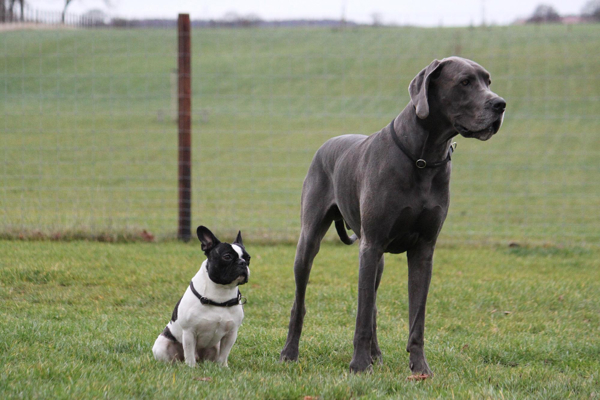
Things to keep in mind when living with a large dog
Large dogs are reliable and have a strong presence, but because of their large size, there are some things to be aware of that are different from those you should be aware of when living with a large dog.
1. Reduces strain on the legs and hips
Large dogs weigh over 25kg, which puts a lot of strain on their legs and hips. Please try to find ways to reduce the strain on your dog’s legs and hips. For example, on slippery floors like hardwood floors that put strain on the legs and hips, you should lay down short-pile carpets or cork mats. Also, since obesity increases strain on the legs and hips, it is important to maintain a healthy weight.
2. More discipline
Large dogs are big and strong, and if they get excited and cannot be controlled, they may injure other people or other dogs. For this reason, it is even more important to train them properly from puppyhood than small or medium-sized dogs. It is especially important to train your dog to calm down with commands such as “sit” and “stay,” and to thoroughly train it not to jump on anything.
3. Be careful about the lack of exercise
Large dogs require a lot of exercise, so care must be taken to ensure they are not getting enough exercise. Lack of exercise can lead to stress, which can lead to problem behaviors such as excessive barking and destructive behavior. Lack of exercise can also lead to obesity. If your dog is restless and moving around when you get home from a walk, it’s a sign that he isn’t getting enough exercise. If you notice this, try reconsidering the length and content of your walks or engaging in physical play to increase the amount of exercise he gets. If your dog is getting enough exercise through walks, you will likely see it relaxing in its bed or other area after returning home.
4. Beware of gastric dilatation and volvulus syndrome
A common illness in large dogs, especially deep-chested breeds like Dobermans and Golden Retrievers, is gastric dilatation and volvulus syndrome, which causes the stomach to become distended and twisted. If left untreated, this condition can be life-threatening. The cause of gastric dilatation and volvulus syndrome is still not clearly understood, but it is thought that exercising immediately after a meal or eating quickly increases the risk. Avoid walking or playing for 2–3 hours after eating, and make sure your pet is quiet. If your pet’s stomach feels bloated after eating and they are unable to vomit, they may have gastric dilatation and volvulus syndrome. Take them to a veterinarian immediately.
Which is easier to keep: a small dog or a large dog?
There are many types of dogs, but when broadly categorizing them, they are often distinguished by size, such as small, medium, and large dogs. So, which is easier to keep, a small dog or a large dog? Generally, it is said that small dogs are easier to keep for beginners. There are many reasons for this, and it cannot be said that small dogs are generally easier to keep. It is difficult for beginners to control large dogs, so small dogs are generally perceived as easier to keep.
Summary
Small and large dogs differ not only in size but also in many aspects of their lives. There are also certain things to be aware of when living with them. When considering getting a dog, be sure to use this article as a reference to understand the differences between the lifestyles of small and large dogs and the things to be aware of, and then choose a breed that suits your lifestyle. This will be the first step towards living happily with your dog. In the world, small dogs are popular due to the size of houses, but bernedoodle puppies are also very popular in general.


 Terry Runion

