
Why Structured Outdoor Time Is Essential for Dogs
Letting a dog "run it out” isn't always enough. Structured outdoor time, involving planned, supervised, and time-limited activities, helps dogs meet their physical, mental, and social needs in ways that support good behavior and emotional balance. When play is intentional and balanced with recovery, dogs are better able to regulate their energy, reduce stress, and build positive habits that carry into everyday life. Here's why structured outdoor time matters so much!
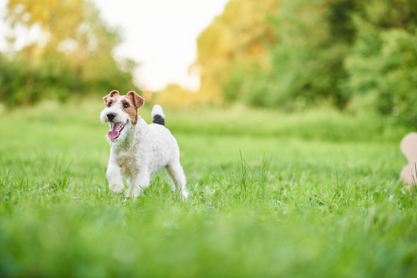
Letting a dog "run it out” isn't always enough. Structured outdoor time, involving planned, supervised, and time-limited activities, helps dogs meet their physical, mental, and social needs in ways that support good behavior and emotional balance. When play is intentional and balanced with recovery, dogs are better able to regulate their energy, reduce stress, and build positive habits that carry into everyday life. Here's why structured outdoor time matters so much!
Supports Healthy Behaviors
Dogs are naturally driven to move, explore, solve problems, and interact with their environment. When activity is supervised and intentional (like a focused game of fetch or a short training walk), dogs learn to pause, respond to cues, and regulate their impulses rather than escalate into frantic or unfocused behavior. This matters because when natural behaviors go unmet, or play lacks boundaries, they often surface as frustration, reactivity, or destructive habits.
Favors Physical Exercise
Structured outdoor time helps ensure dogs get the right amount of activity, rather than too little movement or pushing past their limits (based on their age, breed, and energy levels). Planned outdoor play also makes it easier to spot fatigue before it turns into strain or injury. Because it includes natural rest breaks, it supports healthy weight, muscle tone, and joint health. It can also allow dogs to calm down mentally, keeping them regulated. Even the surface dogs run and play on matters. Choosing from among the best grasses for dogs can even help provide better footing and reduce stress on paws and joints during regular exercise.
Allows Mental Stimulation
Physical activity alone isn't enough to keep dogs satisfied. They also need to think, explore, and make decisions. Structured outdoor activity provides mental stimulation in controlled ways, such as:
-
Sniffing and exploring new scents in scent games
-
Responding to cues during play
-
Using food puzzles or treat-dispensing toys
-
Switching between activities instead of repeating the same game
Mental engagement helps prevent boredom, which is often linked to problem behaviors like excessive barking, chewing, or digging. When dogs are challenged mentally and physically, they're more likely to relax afterward.
Improves Socialization
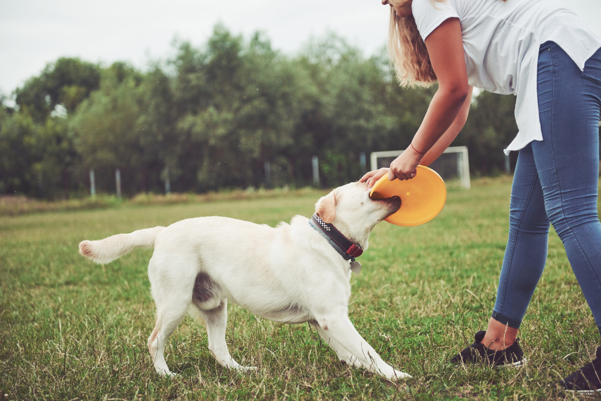
Structured outdoor time allows dogs to practice appropriate social skills, like reading body language, taking turns during play, and responding to cues, in a setting where interactions can be guided. In structured outdoor time, it's easier to step in if things get out of hand. For example, if one dog is doing all the chasing, mounting, or crowding and the other isn't enjoying it, a pause helps prevent stress and teaches better social behavior. This is especially important for puppies and adolescents, who are still learning boundaries.
Bolsters Learning and Training
Everyday moments during structured play can double as training without turning outdoor time into a formal lesson. For example, it allows you to:
-
Ask for a sit or wait before throwing a toy
-
Practice recall during low-distraction moments
-
Reward calm check-ins during play
When arousal is managed, dogs are more receptive to learning. This makes cues easier to reinforce and helps dogs stay focused rather than be overwhelmed.
A Better Way to Support Your Dog's Well-Being
Dogs benefit most when outdoor time is planned with purpose. Intentional, supervised play that balances activity and recovery helps dogs stay physically healthy, emotionally regulated, and more responsive to guidance. Over time, structured outdoor time can help create calmer, happier dogs and more positive experiences for everyone involved.


 CKC Staff Writer

