
Apartment Living With a Dog: Tips for Urban Owners
For first-time dog owners, apartment living requires thoughtful planning, routine, and an understanding of shared spaces. In this article, we will discuss essential tips to help you make city living enriching for both you and your precious four-legged companion.
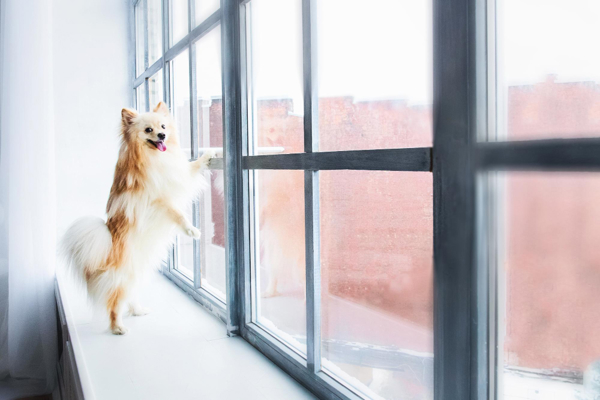
For first-time dog owners, apartment living requires thoughtful planning, routine, and an understanding of shared spaces. In this article, we will discuss essential tips to help you make city living enriching for both you and your precious four-legged companion.
Choose the Right Dog for Apartment Life
Not all dogs have the same needs, and space matters less than temperament and energy level. Many medium or even large dogs do well in apartments if they receive enough exercise, while some small dog breeds may struggle if they are highly energetic or vocal. When choosing a dog, make sure to consider factors such as daily activity requirements, noise sensitivity, and how well the breed adapts to close quarters. Calm, adaptable dogs often adjust more easily to apartment living, especially when they have predictable routines.
Create a Comfortable Space at Home
Your apartment should feel like a safe retreat for your dog. Designate a specific spot for resting, destressing, and sleeping, preferably away from heavy foot traffic and loud noises. This could be a dog bed, a dog crate, or a quiet area where your dog can relax uninterrupted. If you have children, remind them to be respectful of your dog’s area, regardless of how small it is.
Provide Mental Engagement
Mental stimulation is equally vital as physical comfort. Puzzle toys, chew items, and rotating toys can help prevent boredom, especially when your dog spends most of their time alone. Keeping your furry companion mentally engaged can help reduce stress-related behaviors like excessive chewing or barking.
Establish a Daily Routine
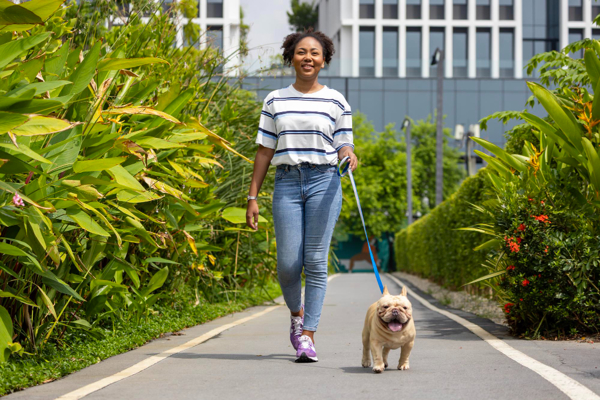
Dogs thrive on routines, and this is especially important in an apartment setting. It’s important that feeding times, play sessions, rest, and walks occur around the same time each day. A predictable schedule can help your dog feel more secure, comfortable, and less anxious. Regular walks are also essential, even if your dog has low energy. These outings provide exercise, mental stimulation, and opportunities to experience new sights and smells. If you’re living in a busy urban area, make sure to understand your local dog walking regulations. For instance, following guidelines, such as the NYC dog leash laws, helps ensure safety for your dog, other pets, and the people with whom you share sidewalks and parks.
Manage Exercise Without a Yard
Urban dog owners often rely on structured walks, indoor play, and creative activities to meet their dog’s needs. Short training sessions can also double as mental workouts. Teaching basic commands, practicing leash manners, or learning new tricks can tire your dog out just as effectively as physical exercise. For higher-energy dogs, consider multiple shorter walks throughout the day instead of one long outing. If dog-friendly parks or open spaces are nearby, use them responsibly to give your dog more room to explore. To prevent conflicts and misunderstandings, always be mindful of posted rules and shared-space etiquette.
Effectively Control Noise
One of the biggest concerns in apartment living is noise. Dogs may bark due to boredom, anxiety, or unfamiliar sounds common in cities, such as sirens or hallway noise. Gradual exposure to apartment sounds can help your dog acclimate. Leaving soft background noise, like a fan or calm music, may also reduce your dog’s reactions to sudden sounds. Address barking early with training and enrichment rather than punishment. Being proactive about noise management can help maintain positive relationships with your neighbors and create a calmer environment for your furry companion.
Focus on Potty Training
Potty training in an apartment requires patience and consistency. Keep in mind that puppies and newly adopted dogs may need frequent outdoor trips, including early mornings and late nights. Using a consistent exit route and designated potty area can help your dog understand expectations. Remember to praise and reward your dog’s outdoor potty success to reinforce desired behavior.
Teach Proper Socialization in Shared Spaces
Apartments naturally expose dogs to people, other dogs, elevators, and tight hallways. Early and positive socialization can help your dog navigate these situations calmly. Train your dog to wait politely in elevators, walk calmly past other pets, and remain focused in crowded areas. Controlled exposure not only helps build your dog’s confidence, but it can also reduce fear-based reactions over time.
Endnote
Apartment living with a dog is not about square footage; it’s about commitment, routine, and understanding your dog’s needs. With thoughtful planning, regular exercise, mental stimulation, and respect for shared spaces, urban dog ownership can be rewarding. A well-adjusted apartment dog is proof that love, structure, and responsibility matter far more than the size of your living space.


 Fay Smith

