
Garden vs. Dog: Storage Ideas to Keep Plants and Pups Safe
Cultivating a beautiful garden in your yard while caring for your four-legged best friend can sometimes feel like an impossible balancing act. However, with thoughtful planning and some smart storage solutions, your garden and dog can peacefully coexist. The key is understanding your pet’s natural behaviors while designing a space that protects your plants and keeps your pet safe. After all, a garden should be a happy place for everyone in the family, including those with paws!
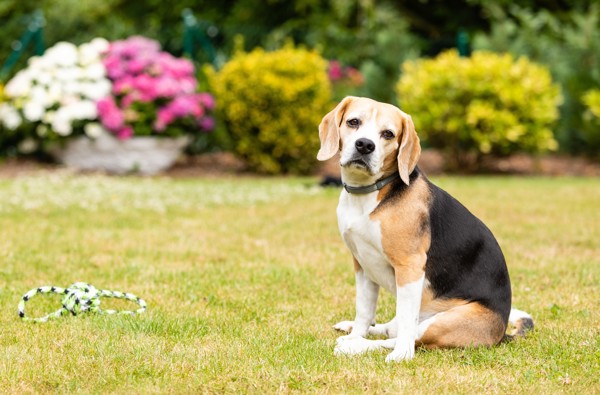
Cultivating a beautiful garden in your yard while caring for your four-legged best friend can sometimes feel like an impossible balancing act. One minute, you’re admiring your freshly planted flowers, only to find your joyful pup digging them up moments later.
Don’t worry! With thoughtful planning and some smart storage solutions, your garden and dog can peacefully coexist. The key is understanding your pet’s natural behaviors while designing a space that protects your plants and keeps your pet safe. After all, a garden should be a happy place for everyone in the family, including those with paws!
Petscaping Strategies to Maintain Garden Harmony
The art of “petscaping” combines smart landscape design with pet safety considerations. By making thoughtful choices about your garden’s layout, plant selection, and boundaries, you can avoid many issues that could lead to stress in the future.
Choose Dog-Safe Plants
Not all greenery is safe for curious pups who might take an exploratory nibble. Common garden plants, like azaleas, lilies, and sago palms, can be toxic to dogs. Instead, opt for pet-friendly garden residents like sunflowers, roses, snapdragons, and marigolds.
Create Natural Barriers
Strategic planting can create boundaries that naturally dissuade your dog from romping around in your garden. Dense, sturdy shrubs can block your pooch’s access to flower beds, while raised garden beds offer an effective physical boundary. Add smooth river rocks or pebbles as ground cover for your garden, as they’re less appealing for your puppy to dig than soft soil.
Add Dog-Friendly Zones to Your Yard
Create space in your yard that’s all about your dog so they won’t even give your garden a second look. Start by creating a designated digging area using a sandbox or loose soil mixed with “buried treasures” like toys or treats. Install a comfortable resting spot with shade and fresh water where your pup can observe garden activities. You can even add dog-friendly pathways made of mulch and flagstone that invite exploration around the yard while guiding your dog away from delicate plants.
Smart Garden Storage and Safety Tips
A beautiful garden doesn’t just spring up by itself. It requires hard work, not to mention lots of tools and materials. Some of the same tools and chemicals you need to help your garden thrive can also pose a danger to your curious canine. Properly storing your garden tools and materials is a great way to keep your outdoor space organized. It’s also a crucial safety measure to protect your four-legged friend.
Store Chemicals Securely
Common garden chemicals, fertilizers, and pesticides can be lethal if your pet ingests them. Store all chemicals in their original containers inside locked cabinets or on high shelves, well out of paw’s reach. You can also consider switching to pet-safe, organic alternatives to minimize risks.
For fertilizers, some pet-safe options include:
- Seaweed or kelp meal
- Worm castings
- Plant-based compost
For pet-friendly pest control, try:
- Diatomaceous earth (food grade only)
- Neem oil
- Companion planting (growing pest-repelling plants like marigolds)
- Beneficial insects like ladybugs
Tool Organization
Garden tools with sharp edges or pointed ends can cause injuries to playful pups. Invest in wall-mounted racks, pegboards, or closed storage containers to keep tools safely stored in the garage or shed when you’re not using them. Never leave tools lying around the yard where your dog could stumble upon them. For help keeping a pristine and pup-safe yard, take a look at these helpful outdoor decluttering tips.
Compost Considerations
While composting is great for the environment, decomposing food scraps may seem like an irresistible snack to a hungry canine. Not only do you want to avoid your dog munching on those salad scraps from last week, but compost can also potentially contain toxic mold. If you do compost, use a secure, closed compost bin with a tight-fitting lid, or place your compost area behind a fence where your dog can’t reach it.
Ongoing Garden Maintenance and Training
Creating an outdoor oasis that is garden- and pet-friendly isn’t a one-time project. It’s an ongoing relationship between you, your garden, and your pooch. Your plants and pup will need your ongoing focus and time to flourish together.
Positive Reinforcement Training
Most dogs respond well to consistency and positive reinforcement training. Teach your dog garden boundaries by using commands like “leave it” when they approach off-limit areas. Reward good behavior with treats, praise, or playtime when they respect the garden boundaries. Try short, daily training sessions rather than infrequent, longer ones for better results.
Regular Garden Safety Inspections
Make it a habit to walk through your garden each week to check for potential hazards (and to admire your new blooms). Look for things like:
- Damaged fencing
- Exposed irrigation lines
- New volunteer plants that could be toxic
- Fallen fruit or vegetables that could cause digestive issues
Creating Lifelong Harmony Between Plants and Pups
With proactive planning and consistent maintenance, your garden can become a paradise for your plants and pups. The key is designing your outdoor space with both in mind from the start. You can enjoy a beautiful outdoor space without worry by creating dedicated spaces for your dog’s natural behaviors, choosing pet-safe plants, and implementing secure storage solutions.
Remember that your garden is a living environment that evolves, just like your relationship with your dog. Be willing to adjust your garden design, storage solutions, and training approaches as you learn what works best for your unique situation.


 Fay Smith

