
The Complete Dog Travel Checklist
Embarking on adventures with your four-legged companion can create unforgettable memories, but it requires careful planning to ensure a smooth journey for both of you. Whether you're planning a weekend road trip or an international flight, preparation is key to a successful travel experience with your dog.
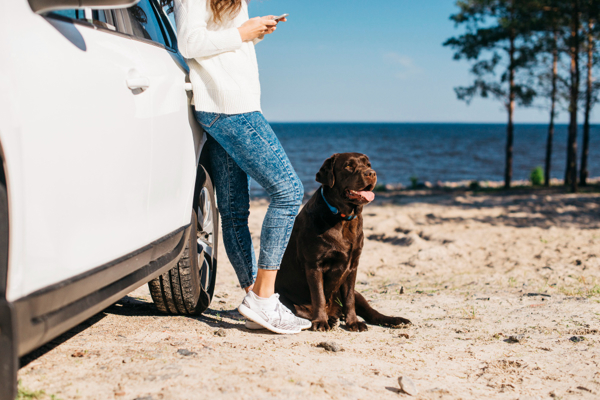
Embarking on adventures with your four-legged companion can create unforgettable memories, but it requires careful planning to ensure a smooth journey for both of you. Whether you're planning a weekend road trip or an international flight, preparation is key to a successful travel experience with your dog.
According to a recent survey by the American Pet Products Association, nearly 85% of dog owners consider their pets when making travel plans, with 37% stating they travel with their dogs on every vacation. As more destinations and accommodations become pet-friendly, it's never been easier to include your furry friend in your travel plans, if you know how to prepare properly.
Essential Dog Travel Gear: Pack Like a Pro
Before hitting the road or boarding that plane, having the right gear can make all the difference between a stressful journey and a pleasant adventure with your pup. Proper preparation ensures your dog stays comfortable, safe, and happy throughout your travels.
For instance, France is one of the most dog-friendly travel destinations in Europe, with scenic road routes, pet-welcoming hotels, and even canine-accessible cafes. Whether you're planning a countryside road trip through Provence or flying into Paris for a city break, traveling with your furry companion requires a solid plan.
From vaccination records and travel crates to pet-friendly apps and snacks, every item counts. When traveling internationally, staying connected is crucial for navigating unfamiliar places and checking pet policies on the go.
The Ultimate Canine Carry-All: Organizing Your Dog's Travel Bag
Packing efficiently for your dog starts with the right travel bag. Choose a dedicated bag for your dog's essentials rather than mixing them with your belongings. This makes items easily accessible when you need them quickly.
Multi-functional travel bags designed specifically for dog owners offer compartments for food, medications, and toys, while keeping things organized. Some even include collapsible bowls and waste bag dispensers built right in.
Tech-savvy pet parents can use apps like PackPoint or BringFido to create digital dog travel checklists that ensure nothing important gets left behind. These apps can even customize your packing list based on destination, trip duration, and planned activities.
Nutrition on the Go: Food and Hydration Essentials
Maintaining your dog's regular diet while traveling helps prevent digestive issues that could ruin your trip. Pack enough of your dog's regular food for the entire journey, plus a few extra days in case of unexpected delays.
Collapsible silicone food and water bowls save valuable space in your luggage while providing practical mealtime solutions. Opt for ones with carabiners that can attach to your backpack or leash during road trips with dogs.
Hydration is critical when traveling with dogs, especially during summer months or active adventures. Bring a dedicated water bottle for your pup, and consider portable water filters if you'll be hiking or visiting areas where clean water might be scarce.
Safety First: ID, Documentation, and Emergency Preparedness
No matter how careful you are, emergencies can happen. Ensure your dog wears a collar with updated ID tags including your cell phone number. Microchipping provides an additional layer of security if tags get lost.
Create a portable pet first-aid kit containing bandages, antiseptic wipes, tweezers, and any medications your dog regularly takes. Add a digital thermometer and emergency contact information for veterinarians at your destination.
For international travel, research pet travel tips regarding required health certificates and vaccination records well in advance. Some countries require specific vaccinations or blood tests completed months before arrival.
Road Trip Ready: Car Travel with Your Canine Companion
Car travel offers flexibility and convenience when traveling with dogs, letting you set your own pace and make stops as needed. However, ensuring your dog's safety and comfort requires specific preparations.
Vehicle Safety Systems for Different Dog Sizes
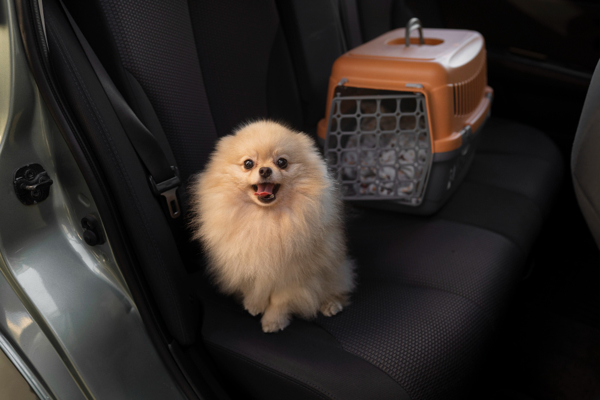
Safety should never be compromised when traveling with your furry companion. For small dogs, secured carriers or booster seats provide both protection and a view of the outside world, reducing anxiety during the journey.
Medium to large dogs benefit from crash-tested harnesses that attach to seat belts, preventing dangerous movement during sudden stops. Some vehicles can accommodate larger crates secured with straps for maximum protection.
Technology has introduced innovative solutions like temperature monitoring systems that alert your smartphone if your car becomes too hot while you make a quick stop. These devices provide peace of mind during road trips with dogs in warmer climates.
Planning Perfect Pit Stops for Your Pup
Regular breaks every 2-3 hours help your dog stretch, relieve themselves, and burn off some energy. Research dog-friendly rest areas and parks along your route before departing to make these stops more enjoyable.
Apps like BringFido can help locate pet-friendly parks, restaurants with outdoor seating, and attractions that welcome dogs. This planning prevents the frustration of arriving somewhere only to see "No Dogs Allowed" signs.
Consider exercising your dog thoroughly before driving segments to encourage napping in the car. A tired dog is generally a more relaxed traveler, making the journey pleasant for everyone.
Preventing and Managing Car Anxiety and Motion Sickness
Some dogs experience anxiety or motion sickness during car rides. Gradual desensitization by taking short drives before your big trip can help your dog adjust to vehicle movement and reduce stress.
Natural calming solutions like pheromone sprays, anxiety wraps, or specially formulated treats can help anxious travelers. For severe cases, consult your veterinarian about appropriate medications for your dog's specific needs.
Feeding your dog a smaller meal about three hours before departure can help prevent motion sickness. Keep the car well-ventilated and consider keeping the windows cracked slightly for fresh air.
Airplane Adventures: Flying Safely with Your Dog
Flying with dogs requires more preparation than road trips due to airline regulations and confined spaces. Understanding the rules and preparing your dog for air travel will lead to a more successful journey.
Navigating Airline Pet Policies Like a Pro
Each airline has specific pet policies regarding weight limits, carrier dimensions, and fees. Research multiple airlines to find the most accommodating option for your dog's size and your budget constraints.
Some airlines only accept a limited number of pets per flight, so book early. Understand the difference between in-cabin travel (generally for dogs under 20 pounds) and cargo hold transportation for larger breeds.
Certain breeds with short snouts (brachycephalic), like Bulldogs or Pugs, face restrictions on many airlines due to breathing concerns at altitude. Research breed-specific policies before booking your tickets.
Preparing Your Dog for Air Travel Success
Crate training should begin weeks or months before your flight. Make the carrier a positive space associated with treats, toys, and comfort rather than confinement and stress.
Exercise your dog thoroughly before flying to help them relax during the journey. However, feed them lightly (about 4 hours before) to avoid discomfort or accidents during the flight.
For dogs traveling in cargo, freeze a small dish of water that will gradually melt during the journey, providing hydration without spilling. Attach feeding instructions to the carrier if your flight is long.
International Pet Travel Requirements
International pet travel tips vary significantly by country. Some nations require specific vaccinations, blood tests, or quarantine periods. Research requirements at least 3-6 months before your trip.
The USDA or your country's agricultural department often needs to endorse health certificates within a specific timeframe before travel. Mark these deadlines clearly on your calendar to avoid last-minute panic.
Consider working with a pet travel agent for complex international journeys. Their expertise in navigating bureaucratic requirements can save tremendous stress and prevent potential issues at borders.
Special Considerations for Different Dogs
Every dog has unique needs based on their size, age, and health status. Tailoring your travel preparations to your specific dog ensures maximum comfort and minimizes stress during the journey.
Size-Specific Travel Solutions
Tiny breeds may feel most secure in soft-sided carriers that fit under airplane seats or in specially designed car seats that provide elevation to see out windows during road trips with dogs.
Large breed owners face different challenges, particularly when flying. Some airlines have weight restrictions that may necessitate cargo travel or alternative transportation methods entirely.
Extra-large dog crates for car travel should be secured properly to prevent shifting. Some SUV owners opt for custom barriers that create a safe, spacious area in the back of the vehicle.
Age Matters: Traveling with Puppies, Adults, and Senior Dogs
Puppies require more frequent bathroom breaks and may become overstimulated by travel. Plan for stops every 1-2 hours and bring familiar toys to provide comfort in new environments.
Adult dogs typically adapt best to travel, but still need regular exercise opportunities. Plan your itinerary to include dog-friendly activities that allow them to burn energy between travel segments.
Senior dogs may need orthopedic bedding for comfort during long journeys and more frequent stretch breaks to prevent stiffness. Pack any medications and consider bringing joint supplements for extended trips.
Health and Behavioral Factors
Dogs with medical conditions require special planning. Create a document detailing your dog's medical history, medication schedule, and veterinarian contact information in case of emergencies.
Anxious or reactive dogs benefit from gradual exposure to travel elements before your trip. Practice with short drives, visits to pet-friendly stores, and brief stays in new environments to build confidence.
If traveling with multiple dogs, consider whether they're comfortable sharing space in close quarters. Some dogs who get along at home may become stressed when confined together while traveling.
Embarking on New Adventures With Your Canine Companion
Traveling with your dog opens up a world of shared adventures and creates lasting memories. With thorough preparation using this dog travel checklist, proper safety equipment, and consideration for your dog's unique needs, your journeys together can be rewarding experiences for both of you.
Remember that flexibility is key. Sometimes the best travel moments come from unexpected detours and discoveries along the way. The joy of having your loyal companion by your side makes any extra planning worthwhile.
Common Questions About Dog Travel
What are the new rules for flying with dogs?
The CDC requires all dogs entering the U.S. to appear healthy on arrival, be at least six months old, and be microchipped. Pet owners must also have proof of a "dog import form" submitted to the agency's website before travel.
How do I prepare my dog for a long-haul flight?
Take your dog for a good walk before arriving at the airport. Maintain regular feeding schedules throughout the day but keep portions smaller. Provide water consistently and check in your dog at the ticket counter with all required documentation. Always give your dog a final bathroom break before security.
How long can a dog be in a car for a road trip?
Most dogs can handle 2-3 hours of driving before needing a break. Active, younger dogs may need more frequent stops, while some well-adjusted adult dogs can go 4-5 hours. Always plan for regular breaks with access to water, bathroom opportunities, and brief exercise.


 Fay Smith

