
Hiking with Dogs: Must-Know Essential Safety Tips for Outdoor Adventures
Whether it's exploring new trails, climbing scenic ridges, or wading through forest streams, these moments create lifelong memories. However, from sudden weather shifts to steep terrain or unexpected wildlife, there’s a lot to think about before you lace up your boots and snap on your dog’s leash.
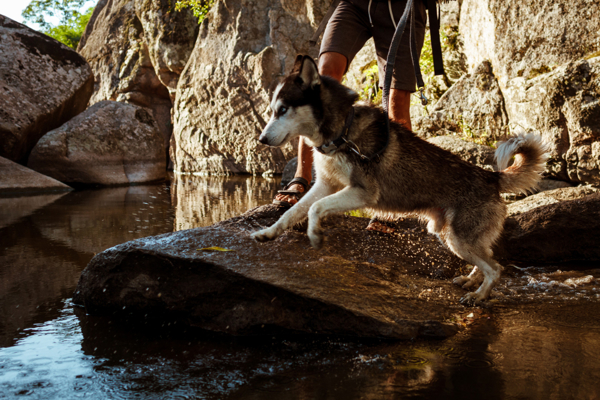
Hiking with your dog is one of the most rewarding experiences you can share. Whether it's exploring new trails, climbing scenic ridges, or wading through forest streams, these moments create lifelong memories. However, from sudden weather shifts to steep terrain or unexpected wildlife, there’s a lot to think about before you lace up your boots and snap on your dog’s leash. This guide walks you through the five most important safety essentials every dog owner should know before heading outdoors.
-
Choose the Right Gear for the Trail
The foundation of a safe hike starts with using the right equipment. Just like humans need trail shoes and hydration packs, dogs need gear specifically designed for their adventures.
A padded harness, for instance, offers more control and reduces pressure on the neck compared to a collar. It also helps prevent choking or injuries if your dog pulls or stumbles on rough terrain. You’ll also want a durable, trail-grade leash — ideally one that provides shock absorption and allows your dog to move freely without straying too far.
Make sure your pack includes:
- A lightweight, comfortable harness designed for active use
- A durable leash with good grip and stretch control
- Collapsible water bowl and bottle for on-the-go hydration
- Poop bags and a way to carry them out
- Trail snacks suitable for dogs
If you’d like to see examples of trail-ready equipment often used by dog hikers, this dog hiking gear collection outlines common options built for durability and outdoor function.
Testing gear before you hike is critical. Go for a few walks around your neighborhood with the new harness or leash and watch for signs of discomfort. If your dog seems restricted, anxious, or tries to remove the gear, make adjustments before you head into the wild.
-
Know Your Dog’s Fitness Level and Trail Limits
Just because your dog is enthusiastic doesn’t mean they’re ready for a five-mile incline. Like people, dogs need conditioning and rest days. Assess their age, breed, and stamina before choosing a trail and build up their endurance.
Young puppies may not have developed the joint strength for long hikes, while senior dogs might tire quickly or struggle with uneven footing. Deep-chested breeds may also be more prone to overheating or joint stress in tough conditions. Start with shorter hikes and work up to longer ones. Gauge how your dog reacts during and after the hike. If they’re lagging, excessively panting, or needing to be carried out, you’ve gone too far too fast.
Tips to stay within their limits:
- Stick to flat or loop trails under 2 miles for beginners
- Carry extra water and snacks, especially in summer
- Watch for limping, excessive licking of paws, or disinterest
- Build up your dog’s stamina gradually over weeks
Planning around your dog’s energy level ensures the trip is enjoyable for both of you. If your dog is healthy, fit, and comfortable on the trail, they may be able to carry a lightweight backpack. Not only does it free up space in your pack, but it also gives your dog a sense of purpose. The key is to start small and monitor their response. Always keep an eye on your dog’s movement and back area for signs of strain. If they slow down or show discomfort, remove the pack and reduce the weight.
A well-designed backpack should distribute weight evenly and sit securely without restricting shoulder or leg movement. Dogs can typically carry up to 10–15% of their body weight, depending on their size and fitness level. Start lighter and adjust slowly. Good items to pack in their bag include: Dog-safe trail snacks, waste bags, a small first-aid pouch, and a collapsible water bowl.

-
Prioritize Hydration, Weather, and First Aid
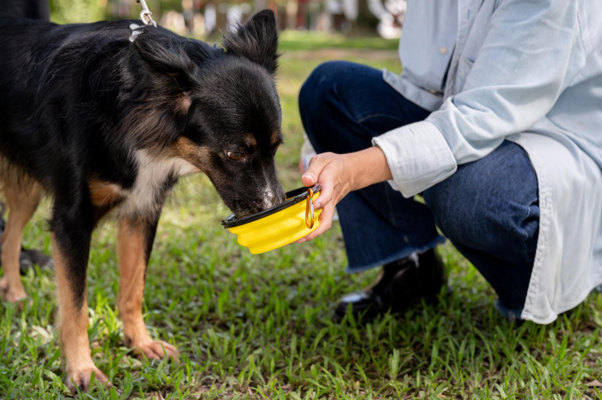
One of the most overlooked dangers on the trail is dehydration. Dogs can’t tell you when they’re thirsty, and they’re much more susceptible to overheating, especially in warmer climates or at higher altitudes. Bring at least 1 quart of water per dog for every 2–3 hours of hiking, more in hot weather. Stop frequently for short water breaks, even if your dog isn’t begging for one.
Also consider the weather and season:
- In summer, hike early or late to avoid heatstroke
- In winter, watch for signs of cold stress and pack a dog coat
- Avoid snow hikes unless your dog has been trained for cold terrain
Bring a trail-safe first aid kit with:
- Dog-safe antiseptic spray
- Tweezers (for ticks or thorns)
- Paw balm or booties
- Gauze, scissors, and vet wrap
If your hike includes rivers, lakes, or paddle spots, you’ll need one more essential — a flotation device. Even if your dog swims well, fatigue or strong currents can create emergencies fast.
-
Practice Responsible Trail Etiquette
Trail safety isn’t just about your dog; it’s about everyone else on the path, too. Always follow local regulations and posted signs regarding leash laws, wildlife presence, and off-trail access. Keeping your dog leashed protects them from unexpected dangers like sharp drops, other animals, or fellow hikers who may be afraid of dogs.
Good hiking etiquette includes:
- Using short leads in crowded or narrow areas
- Picking up after your dog — and packing it out
- Avoid letting dogs chase wildlife or livestock
- Staying on marked trails to protect native plants
Even if your dog is friendly, not everyone wants to be approached. Training your dog to heel on command and focus on you during distractions helps maintain harmony on the trail. Responsible hikers build a better reputation for dog owners and make trails more accessible for everyone.
Frequently Asked Questions
- Is it safe to take my dog on a hike?
Yes, if you’re prepared. Choose dog-friendly trails, bring water, keep your dog on a lead, and avoid extreme heat or rough terrain.
- How do I protect my dog’s paws while hiking?
Avoid hot pavement and rocky paths. Dog boots or paw balm can help. Always check paws after the hike for cuts or irritation.
- Should my dog wear boots when hiking?
Boots are useful for sharp, hot, or icy terrain. Not all dogs need them, but they offer great protection if your dog tolerates wearing them.
- How much can a dog carry on a hike?
Most dogs can carry 10–15% of their weight in a backpack. Start light and avoid overloading, especially on long or steep trails.
- How hot is too hot to hike with your dog?
Avoid hiking if it’s over 77°F. If the ground feels too hot for your hand, it’s too hot for your dog’s paws.
- What should be in a dog first aid kit?
Include bandages, antiseptic, paw balm, tweezers, gauze, a tick remover, a spare lead, and any meds your dog needs.
- How long is too long a hike for dogs?
Most healthy dogs can handle 1–2 hours. Keep it shorter for puppies or older dogs and stop if your dog shows signs of tiredness.
Final Thoughts: Hiking with Dogs Should Be Smart, Safe, and Fun
Your dog doesn’t just follow your lead on the trail - they trust you to keep them safe. With the right preparation, gear, and attention to their needs, every hike becomes more than just exercise. It becomes a shared journey.
So next time you zip up your hiking boots, remember these five essentials: pack smart, hike at your dog’s pace, hydrate often, think ahead, and be respectful on the trail. The outdoors is better with dogs, especially when both of you return home healthy, happy, and ready for the next adventure.


 Fay Smith

