
The Role of Emotional Support Animals in Veteran PTSD Recovery
For many veterans, the hardest battles begin after they return home. Triggers may surface suddenly—crowded places, loud noises, or even quiet moments that echo past trauma. In these moments, the presence of a trusted companion—one that doesn’t speak, judge, or ask questions—can be profoundly healing, and an ESA for PTSD fills that role by offering comfort, consistency, and unconditional love.
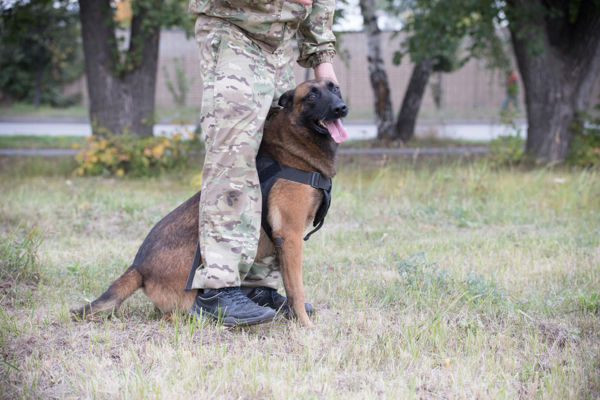
For many veterans, the hardest battles begin after they return home. Post-Traumatic Stress Disorder (PTSD) affects nearly one in five veterans of recent conflicts, according to the U.S. Department of Veterans Affairs. Triggers may surface suddenly—crowded places, loud noises, or even quiet moments that echo past trauma.
In these moments, the presence of a trusted companion—one that doesn’t speak, judge, or ask questions—can be profoundly healing, and an ESA for PTSD fills that role by offering comfort, consistency, and unconditional love.
What Is an ESA and How Does It Help?
An Emotional Support Animal is not the same as a service dog. ESAs don’t require special task training, but their role is no less critical. They offer psychological and emotional comfort simply through their presence.
For veterans with PTSD, that companionship can:
- Interrupt anxiety spirals through calming interaction
- Ease hypervigilance with a sense of companionship and safety
- Encourage daily structure via walking, feeding, and grooming routines
- Combat isolation and support social reintegration
It’s the kind of therapy that doesn’t come in a pill bottle—but can be just as powerful.
Healing Starts with Trust
For veterans living with PTSD, rebuilding trust—especially in themselves and others—can feel nearly impossible. But Emotional Support Animals offer a quiet path forward. These companions don’t ask for explanations. They don’t need words. They simply stay close, steady and present.
Many veterans describe their ESA as a turning point in their recovery. One Army veteran shared, “It’s not just the dog—it’s the partnership. For the first time, I wasn’t alone in the struggle.” Another noted that their ESA gave them “a reason to get up, to go outside, and to reconnect with the world again.”
The connection is more than emotional—it’s deeply transformative. One Marine Corps veteran reflected, “I can finally sleep through the night. I haven’t done that in years. My dog senses when I’m spiraling and brings me back.” That intuitive presence, unburdened by judgment or expectation, becomes a vital anchor during the most difficult moments.
These experiences echo a shared truth: the bond between a veteran and an ESA for PTSD is one of deep healing. It’s a relationship built on mutual trust—often the first safe and stable connection veterans feel after returning home.
For more personal stories of recovery and resilience, explore these veteran testimonials.


How Veterans Can Qualify for an ESA
To officially qualify for an Emotional Support Animal, a veteran must receive a recommendation from a licensed mental health professional. This documentation confirms that the ESA is necessary for managing an emotional or mental disability like PTSD.
While ESAs don’t have the same public access rights as service animals, they are protected in certain key areas:
- Housing: Landlords must allow ESAs, even in pet-restricted housing, under the Fair Housing Act.
- Travel: Some airlines accommodate ESAs, but recent rule changes have limited ESA travel rights, so it’s important to check policies in advance.
What Makes a Good ESA?
Dogs are the most common ESAs, and for good reason. Their loyalty, intuition, and affection make them ideal companions. But the “best” ESA depends on the individual. Some prefer the calming presence of cats, the low maintenance of rabbits, or the cheerful energy of a small bird.
Veterans should consider:
- Temperament: Calm, friendly, and non-aggressive
- Size: Manageable for the veteran’s lifestyle
- Compatibility: A strong emotional connection matters more than breed
Adopting from a shelter or rescue can be a great option—not only does it provide a home for an animal in need, but many veterans report stronger bonds with animals that have also overcome hardship.
Final Thoughts
For veterans facing the invisible wounds of PTSD, Emotional Support Animals provide more than just companionship—they offer stability, comfort, and a renewed sense of connection to the world. Whether it’s a dog lying quietly at their feet or a cat purring beside them at night, the calming presence of an ESA can play a transformative role in the healing process.
While ESAs are not a substitute for professional mental health care, they are a meaningful complement—one that brings emotional regulation, responsibility, and joy into daily life. For many veterans, the journey to healing begins not in a doctor’s office but with the gentle nudge of a cold nose and the warmth of unconditional love.
If you or someone you know is a veteran living with PTSD, an ESA could be the beginning of a new chapter—one where healing is guided by trust, companionship, and the simple, enduring bond between human and animal.
Frequently Asked Questions (FAQ)
What is the difference between an ESA and a service dog?
An Emotional Support Animal (ESA) offers comfort through companionship and does not require specialized training. A service dog, on the other hand, is trained to perform specific tasks for a person with a disability and has full public access rights under the ADA.
How can a veteran qualify for an ESA for PTSD?
To qualify, a veteran must obtain a letter from a licensed mental health professional stating that the ESA is necessary for managing PTSD or another mental health condition. This letter is essential for housing accommodations and, in some cases, travel.
Are ESAs allowed in all public spaces?
No. Unlike service dogs, ESAs do not have universal public access rights. However, they are protected under the Fair Housing Act and may be allowed in no-pet housing with proper documentation. Airline ESA policies vary, so it’s important to check in advance.
Can any animal be an ESA?
Yes, any domesticated animal—dogs, cats, rabbits, birds, and others—can be an ESA as long as they provide emotional support. However, dogs remain the most common and often the most intuitive companions for veterans with PTSD.
Where can veterans find an ESA?
Veterans can adopt from local shelters, rescues, or work with organizations that match animals with individuals in need. Some programs specifically serve veterans and understand the importance of matching the right temperament with the individual’s lifestyle and emotional needs.


 Fay Smith

